By Becky Arnold
In Tahoe, negotiation usually starts with the setting as much as the paperwork. The town’s mix of lakefront property, forested streets, and year-round recreation creates a market where view lines, winter access, private lake access or amenities, and seasonal timing shape how each conversation unfolds.
When I guide clients through negotiations in Tahoe City, I focus on tactics that match the property, the season, and the rhythm of the local market.
Key Takeaways
-
Context: Location shapes leverage. Some areas are considered more valuable than others. It is important to understand why the home values in various neighborhoods fluctuate. Additionally, if you plan to rent your new house out when you're away, understand the rules for short-term vacation rental permits. Not all areas have the same rules.
-
Timing: Seasons influence urgency. Ask for my guide on price points and the best time to buy or sell
-
Terms: Structure matters with price
-
Clarity: Preparation strengthens outcomes
Pricing Strategy Sets the Tone Early
In North Lake Tahoe, pricing is one of the first and most visible negotiation signals, especially when a property sits near the lake, has private lake access, is near a ski area, or is along a favored route.
Why pricing strategy matters so much
-
Anchor point: The list price shapes expectations immediately
-
Market signal: Sharp pricing suggests confidence and preparation
-
Property type: Lakefront and in-town homes invite different reactions
-
Timing cue: Seasonal release changes how the price is interpreted
This means price needs to reflect specific local factors like lakeviews, lake access, or year-round access.
Terms Often Carry as Much Weight as Price
Negotiation in Tahoe City frequently turns on structure, because terms can change the practical appeal of an offer even when numbers look close on paper.
The terms I review most carefully
-
Closing date: Timing should fit the property’s use cycle. Most escrows in Tahoe are between 30 and 45 days. Anything longer can be a positive or negative, depending upon whether the buyer or seller is asking for more time to close.
-
Contingencies: Inspection and financing terms need precision. If there is a financing contingency, sellers must work with the bank’s timing for obtaining an appraisal and loan approval. Buyers may need extra time to obtain fire insurance. Keep in mind that if an offer includes financing, there could be delays.
-
Occupancy plan: Possession timing can affect overall appeal. Do the sellers need extra time to move or to fulfill rental obligations? If time is needed, sometimes, a (free) lease-back can make your offer more desirable than another's
-
Earnest money: Strong deposits reinforce seriousness. The strongest offers will include a 3% earnest money deposit.
-
Furnishings: If a house is being sold furnished, or with “personal property”, there are ways to incorporate this into an offer that will not delay financing. An improperly worded offer that includes furnishings can be flagged in underwriting and potentially delay closing. If making an offer on a furnished home where the buyer does not want any furnishings, the seller will need time to remove everything and have the house cleaned after all contingencies are removed. Be sure your Realtor uses the correct language and time frames to ensure this works for all parties.
I use timelines, contingencies, and closing logistics as active tools, especially in a market where homes may function as primary residences, second homes, or seasonal retreats.
Inspection Negotiations Require Local Judgment
Inspection conversations in Tahoe City often move beyond the obvious because mountain properties carry maintenance patterns tied to snow load, wood exteriors, drainage, and seasonal occupancy.
The inspection issues I prioritize first
-
Roof condition: Snow exposure influences wear and planning. A roof older than 21.5 years may need to be replaced as a condition to obtain California Fair Plan Fire Insurance. Additionally, some roof designs are also more prone to “ice dams” where you may experience interior water damage when snow and ice build up on the eaves. Refer to seller disclosures for more information on the home’s history.
-
Drainage: Site water flow affects durability and access. Downsloping driveways can cause cars to slide or water to pool at entrances, or worse, seep into your home or garage. Take note of any damaged or missing gutters. Check that downspouts are directed away from your house.
-
Exterior materials: Wood, stone, and decks need close review. Depending upon your sun exposure, wood decks and exteriors require resealing about every 5 years. Are you considering adding a hot tub to a deck? Consult an engineer to ensure the deck can handle the weight of a full hot tub. Not every deck can handle the weight of a full hot tub and a deck full of snow.
-
Storage utility: Mudrooms and gear space carry local relevance. An air lock entry is great for energy efficiency. A drop zone near an entrance, laundry room or garage with cubbies for gear is a must in any Tahoe home.
This stage helps to know whether the home sits near the lake, on a shaded lot, or along a steeper section of the west shore, where weather and terrain influence maintenance differently.
Communication Style Can Change the Outcome
In Tahoe City, I find that steady and well-framed communication often creates better results than dramatic back-and-forth exchanges.
The communication tactics I use most
-
Direct language: Clear wording reduces confusion and delay
-
Local framing: Context helps explain value and timing
-
Measured pace: Calm responses support stronger decisions
-
Offer clarity: A clean presentation makes review easier
-
Realtor relationships: Does your agent have a good working relationship in the area? When structuring an offer, it is imperative that your agent contact the listing agent to determine what terms the seller is seeking or what price was previously rejected, so you can achieve a better result. In multiple-offer situations, your Realtor's reputation will go a long way toward winning a bid. Using out-of-area agents can be detrimental if they are unaware of local rules, time frames, and the usual split of selling costs.
A clear explanation of terms, timing, and property strengths tends to land well in a market where each home has its own mix of location, condition, and lifestyle appeal.
Property Presentation Influences Negotiation Strength
Presentation has a direct effect on leverage because it shapes the first impression before any formal discussion begins.
Home presentation points that support stronger negotiations
-
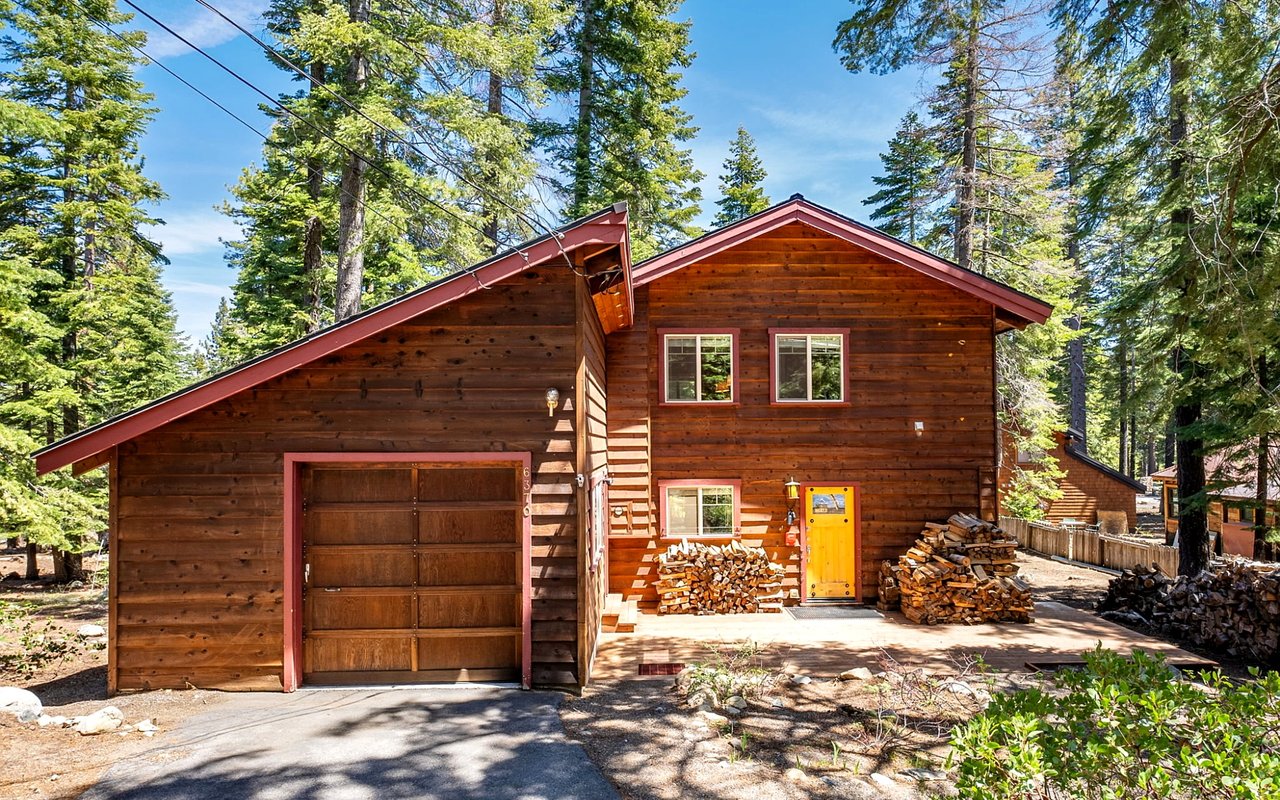
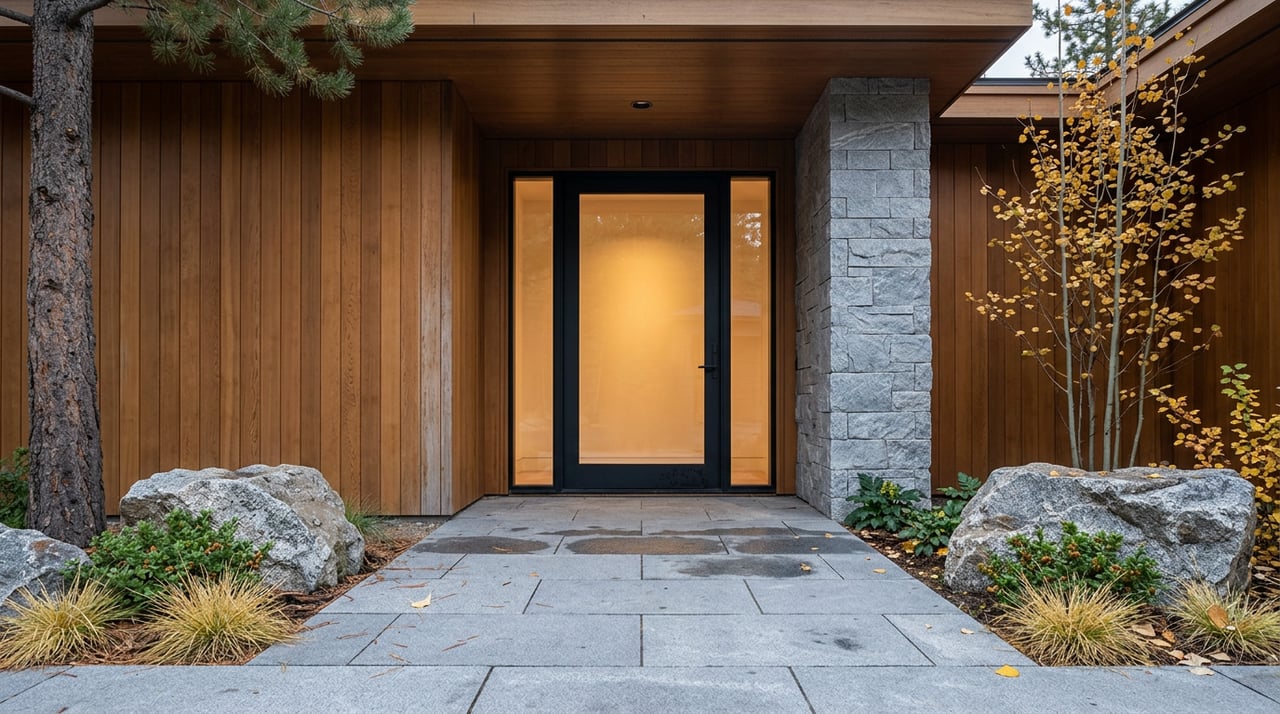
Entry sequence: Arrival should feel orderly and inviting. Make sure your entry is clean, freshly painted or sealed, a new doormat, fresh flowers, or other details will help with curb appeal. Keep in mind that while the realtor accesses the keys, the buyers will be looking around. An entry with cobwebs or peeling paint may signal a lack of care or maintenance.
-
View framing: Main rooms should highlight lake or forest views. Make sure your agent opens the drapes and turns on the lights for showings.
-
Room scale: Furniture should support flow and proportion. If rooms or walkways are cluttered, the house may seem smaller than it is. Store any additional furnishings in a garage or storage area for showings. Rooms and walkways should feel spacious and easy to pass through.
-
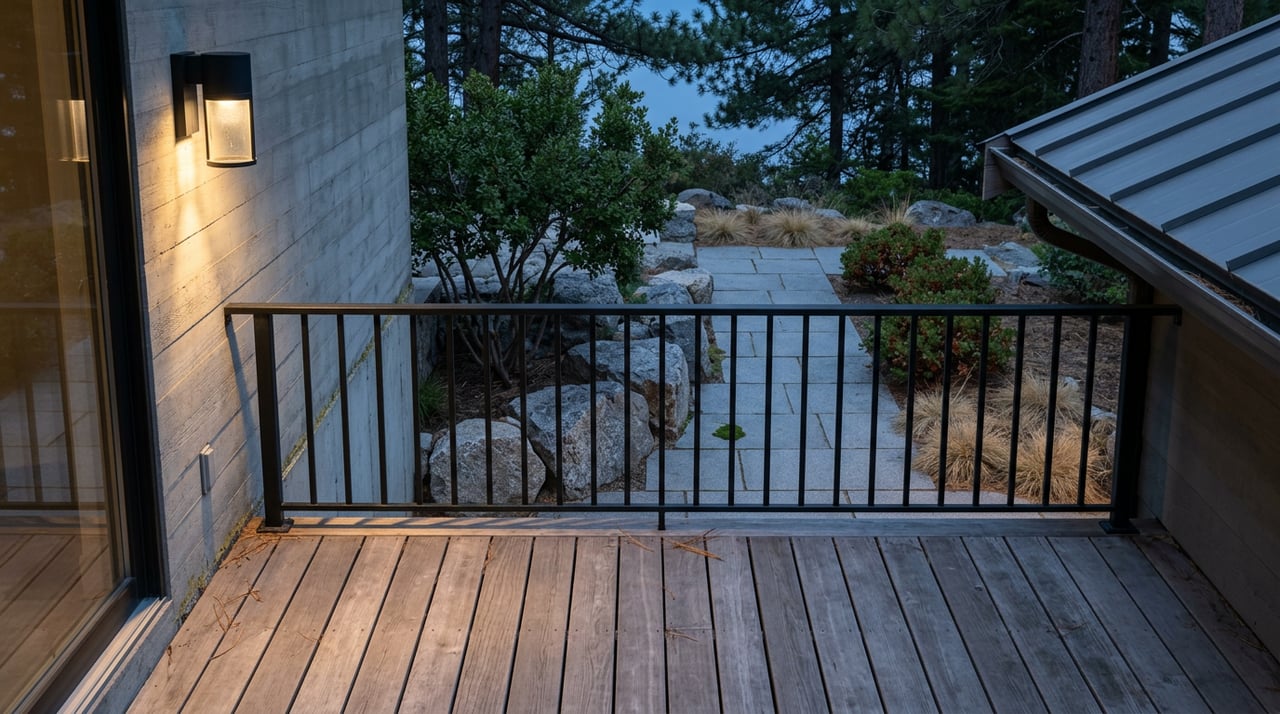
Exterior readiness: Decks, paths, and yards should be clean and inviting. Any loose deck boards or railings, damaged stair treads, or pathways should be repaired. Consider resealing your driveway to improve curb appeal. Have old or faded patio equipment? Remove any old or broken patio equipment and consider replacing a faded patio umbrella with a bright new one. Clean all yards for showings. A clean yard will not only look better, but also help address mandatory defensible space requirements.
This reinforces value in a market shaped by lakefront parks, marina access, and west shore character, all of which can elevate a well-presented property before the first counter is even discussed.
FAQs
Which tactic matters most in Tahoe City negotiations?
I usually start with pricing and terms together because they create the framework for everything that follows. In this market, the best strategy reflects the home’s location, season, and condition at the same time.
Do negotiations differ between in-town and north or west shore properties?
Yes, because setting and lifestyle access influence how value is perceived. A home near downtown Tahoe City often carries different priorities (walkability) than one closer to Sunnyside or Carnelian Bay, which may have private lake access.
How should inspections affect the negotiation?
They should guide the conversation toward the items that matter most for long-term ownership and mountain performance. I focus on roofing, drainage, decks, and exterior materials because those details are highly significant here. Health or safety items, such as electrical issues or plumbing leaks, are usually considered a priority and a reasonable buyer request, while other repairs may be seen as an upgrade to sellers and not as compelling in a hot market
Contact Becky Arnold Today
North Lake Tahoe stands apart because it combines downtown lake access, ski area access, and a variety of communities along the north and west shore. From marina access to private beach access, forested residential pockets, paved bike path access, and walkability to nearby stores and restaurants, there is a variety of homes and areas shaped by the shoreline and the Sierra.
Reach out to me,
Becky Arnold, today, and I will help you approach negotiations with a plan that fits this specific corner of Lake Tahoe and the distinct real estate opportunities it offers.