By Becky Arnold
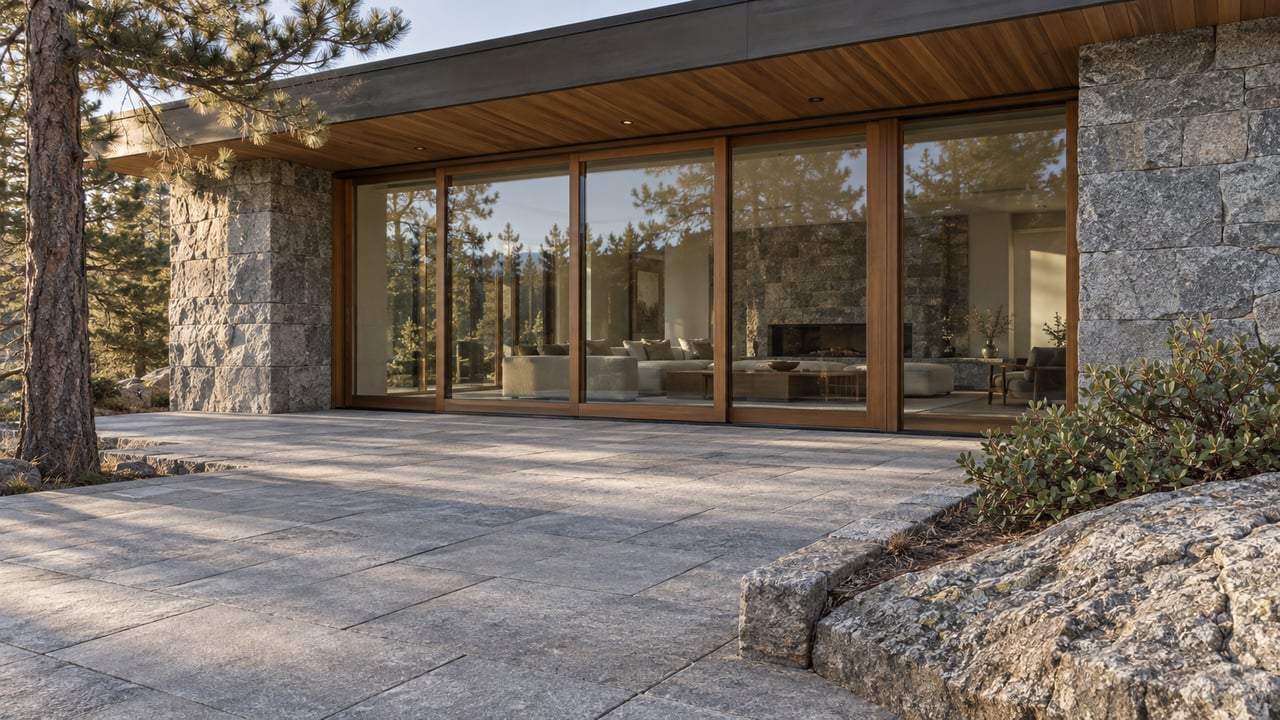
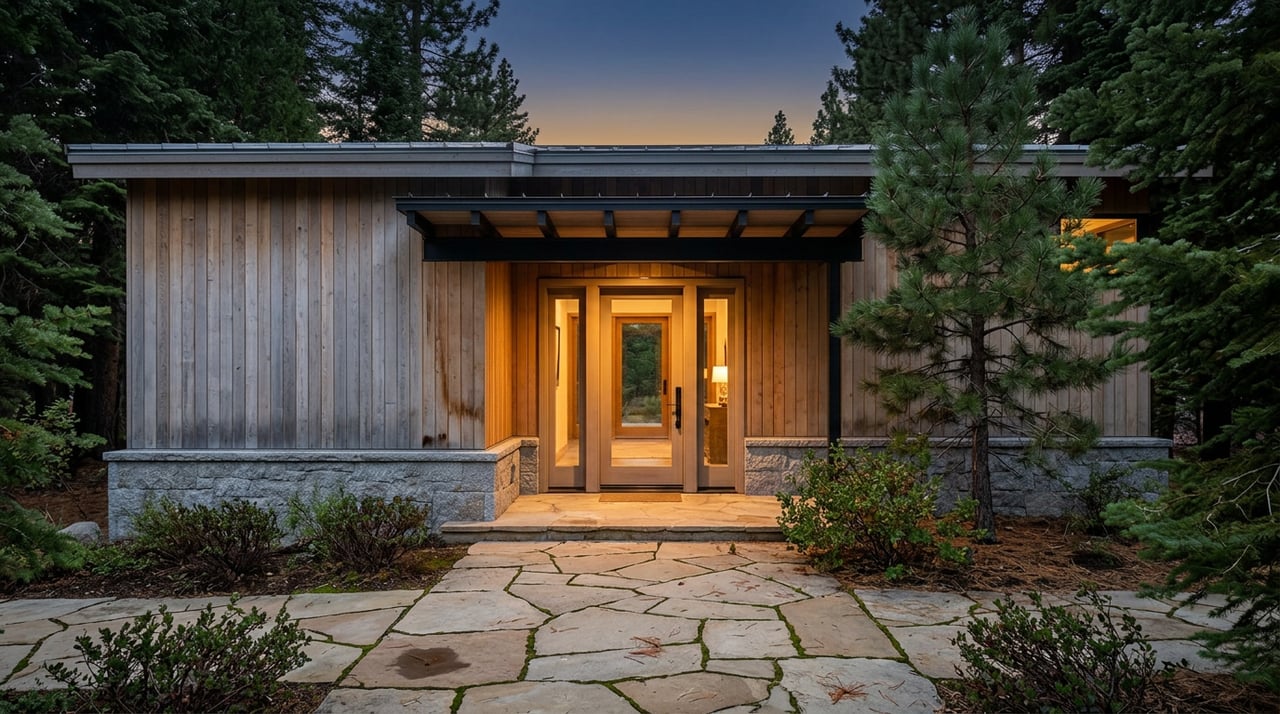
In Tahoe City, preparing a home for market means thinking beyond paint colors and staging. A cedar-sided house near Tahoe Park, a lakeview home off North Lake Boulevard, and a forested property above the Truckee River each present different inspection priorities based on the setting and construction style.
I tell clients that a smart inspection strategy starts with understanding how Tahoe homes live through winter storms, spring runoff, and heavy seasonal use.
Key Takeaways
-
Focus: Roof, drainage, decks, and systems
-
Timing: Inspect before listing preparation begins
-
Value: Repairs support a stronger presentation
-
Strategy: Tahoe-specific issues deserve close review
Why Pre-Listing Inspections Matter in Tahoe City
In Tahoe City, homes are exposed to conditions that can make small maintenance issues feel much larger once a property reaches the market.
Why I recommend this step early
-
Roof review: Snow exposure affects wear and flashing performance. Snow retention systems on roofs or snow melt systems should be reviewed
-
Drainage check: Spring runoff can influence grading and water flow.
-
Deck assessment: Elevated outdoor spaces deserve close attention. Decks are expensive to replace in Lake Tahoe due to our heavy snowloads and building requirements. Take care in checking the condition and useful life of any decks.
-
System clarity: Heating and water equipment should be documented. Will the furnace need to be replaced soon? Is there aluminum wiring? Buyers should consider the cost of future repairs. Sellers should consider addressing any small repairs and health or safety issues, such as electrical or plumbing issues, prior to listing their home.
-
Transparency: Savvy buyers are accustomed to receiving upfront reports to review before making an offer. Transparency about the condition of the house, the good and the bad, creates trust and may alleviate repair requests or worse, a cancelled escrow later.
-
Timing: If a buyer has seen and signed off on pre-inspection reports and disclosures, a seller may be able to eliminate or shorten inspection periods or repair requests in the buyer's inspection period.
This process helps set priorities before photography, showings, and negotiations begin.
What Inspectors Commonly Focus on in Mountain Homes
Tahoe City homes usually require a closer look at the structure and the envelope because climate and elevation place extra demands on materials.
The areas that usually deserve the most attention
-
Roofing materials: Shingles, underlayment, and flashing should show solid condition. The age of the roof is also important, as insurance companies may require older roofs to be replaced as a condition for issuing a new insurance policy to a buyer. As of 2026, a roof age of less than 21.5 years seems to be a marker for many insurance companies
-
Exterior siding: Wood surfaces need upkeep and weather protection
-
Windows and doors: Seals and frames should support efficiency and comfort
-
Foundation and crawlspace: Moisture and ventilation should be reviewed carefully
-
Chimneys and fireplaces: These features need strong maintenance records. Our local Tahoe Regional Planning Agency will require that any existing woodstoves meet EPA clean-burning standards. For traditional wood fireplaces, if you plan on using it in the future, ask when the chimney was last swept, or consider a chimney inspection if you note cracked firebricks, soot on the outside of any chimney flues (a sign of past chimney fire)
These checkpoints reflect how Tahoe City homes perform in real conditions near the lake and in the pines, where weather exposure varies by lot and orientation.
How Timing Affects the Inspection Process
I like to schedule inspections before the home is fully staged because access is easier and repairs can be made without disrupting the final presentation.
The timing factors I use to guide preparation
-
Season of listing: Winter and spring can influence repair logistics
-
Contractor access: Skilled trades may book up during busy periods
-
Exterior visibility: Rooflines, drainage paths, and decks should be easier to review
-
Repair window: Work should fit the listing calendar comfortably
In North Lake Tahoe, timing also matters because snow, ice, and contractor schedules can affect how quickly exterior work gets completed.
Which Repairs Usually Make the Biggest Difference
Every report includes a mix of minor items and more meaningful findings, so I focus first on the repairs that support structure, function, and first impressions.
The repairs I usually prioritize first
-
Roof and flashing work: These items affect confidence immediately
-
Deck stabilization: Railings, stairs, and surfaces should feel solid
-
Drainage improvements: Water should move away from the home cleanly
-
Heating service: Furnaces, boilers, or radiant systems should perform well
-
Exterior touch-ups: Trim, stain, and caulking improve the overall impression
-
Defensible Space: California requires all homes to have a defensible space inspection at the time of sale. Clearance is required within a year of the property transfer, or at the time of the transfer, depending on the jurisdiction. Any diseased or dying trees should be removed, and yards raked.
These improvements support smoother conversations later because the most visible Tahoe-specific concerns have already been addressed intentionally.
How Inspection Findings Influence Pricing and Presentation
A strong preparation plan helps me position a home with more confidence because the condition story is clearer from the start.
The ways I use the report strategically
-
Condition narrative: The home should feel organized and well understood
-
Repair receipts: Documentation adds credibility to completed work
-
Staging adjustments: Presentation can support the home’s strongest features
-
Pricing support: Condition and readiness help frame market position
This turns a home inspection before selling into a practical tool for pricing and marketing rather than a document that sits in a file. A home with completed reports can transfer more quickly than one that requires point-of-sale work.
How I Help Clients Prepare for the Report
I guide clients through the inspection process with a clear plan, so the report feels manageable and useful from the beginning.
The preparation steps I recommend most
-
Gather records: Service receipts and upgrade notes should be easy to review
-
Clear access: Mechanical areas, crawlspaces, and attic entries should be open
-
Walk the exterior: Paths, decks, and grading should be checked visually
-
Set priorities: Focus should stay on the items with the strongest impact
-
Names and Contact Numbers for Repairmen/Contractors: New California law requires sellers to provide the names of service providers. If you have done renovations or repairs, please be ready to supply a list of vendors to a buyer.
My goal is to sort the findings into immediate repairs, worthwhile improvements, and presentation items that help the home show at its best.
FAQs
When should I schedule a pre-listing inspection in Tahoe City?
I usually recommend doing it before photography and before the home is fully staged. That timing makes access easier and leaves room for repairs or service work.
Do older Tahoe cabins need a different inspection approach?
Yes, they often deserve extra attention around roofs, crawlspaces, wood siding, fireplaces, and mechanical updates. I make sure the inspection reflects the home's age and construction style.
Should I repair everything that appears on the report?
I focus first on the items that affect structure, systems, weather performance, and overall presentation. The right plan depends on the property, the market position, and the condition story I want to present clearly.
Contact Becky Arnold Today
If you are preparing to list a home in Tahoe City, I can help you decide how to approach inspections, repairs, and presentation in ways that fit the property and the season.
Connect with me,
Becky Arnold, and I will help you create a preparation plan that accounts for decks, roofs, drainage, access, and the mountain-lake details that define this market.