Is the Homewood Lake Tahoe Lifestyle Right for You?
April 2, 2026
April 2, 2026
If you picture Tahoe living as crowded streets and constant resort buzz, Homewood may surprise you. This stretch of the West Shore offers a quieter, more residential experience where lake access, mountain scenery, and seasonal routines shape daily life. If you are wondering what it is actually like to own a home here, this guide will walk you through the pace, housing feel, outdoor lifestyle, and practical ownership details that matter most. Let’s dive in.
Homewood sits about five miles south of Tahoe City on Lake Tahoe’s West Shore in Placer County. According to Placer County planning materials, the Homewood/Residential area is intended to remain a low-density residential subdistrict.
That planning framework helps explain why Homewood feels different from busier Tahoe destinations. The TRPA scenic inventory describes the area as mostly residential, with single-family homes among large pines and firs, low vehicle and pedestrian traffic, and only a small mix of restaurants, marinas, and support services.
For you as a homeowner, that often means less of a commercial resort atmosphere and more of a neighborhood setting. The rhythm is shaped by the lake, the seasons, and the natural setting rather than a dense shopping or nightlife district.
One of the biggest draws of owning in Homewood is how close you are to everyday outdoor recreation. The SR 89 corridor plan notes that this stretch includes undeveloped shoreline, beach access, and trailheads, which supports a lifestyle built around getting outside without a long drive.
In summer, the lake becomes part of your regular routine. County and TRPA planning documents allow for beach recreation and day-use areas in the Homewood/Residential subdistrict, and Chambers Landing adds to that lakefront atmosphere with a well-known waterfront dining stop in Homewood.
For easy hikes and casual outings, Eagle Rock Trail is one of the area's signature options. Visit Lake Tahoe describes it as a 0.7-mile out-and-back trail near Homewood, with a generally easy route and a short climb to the summit.
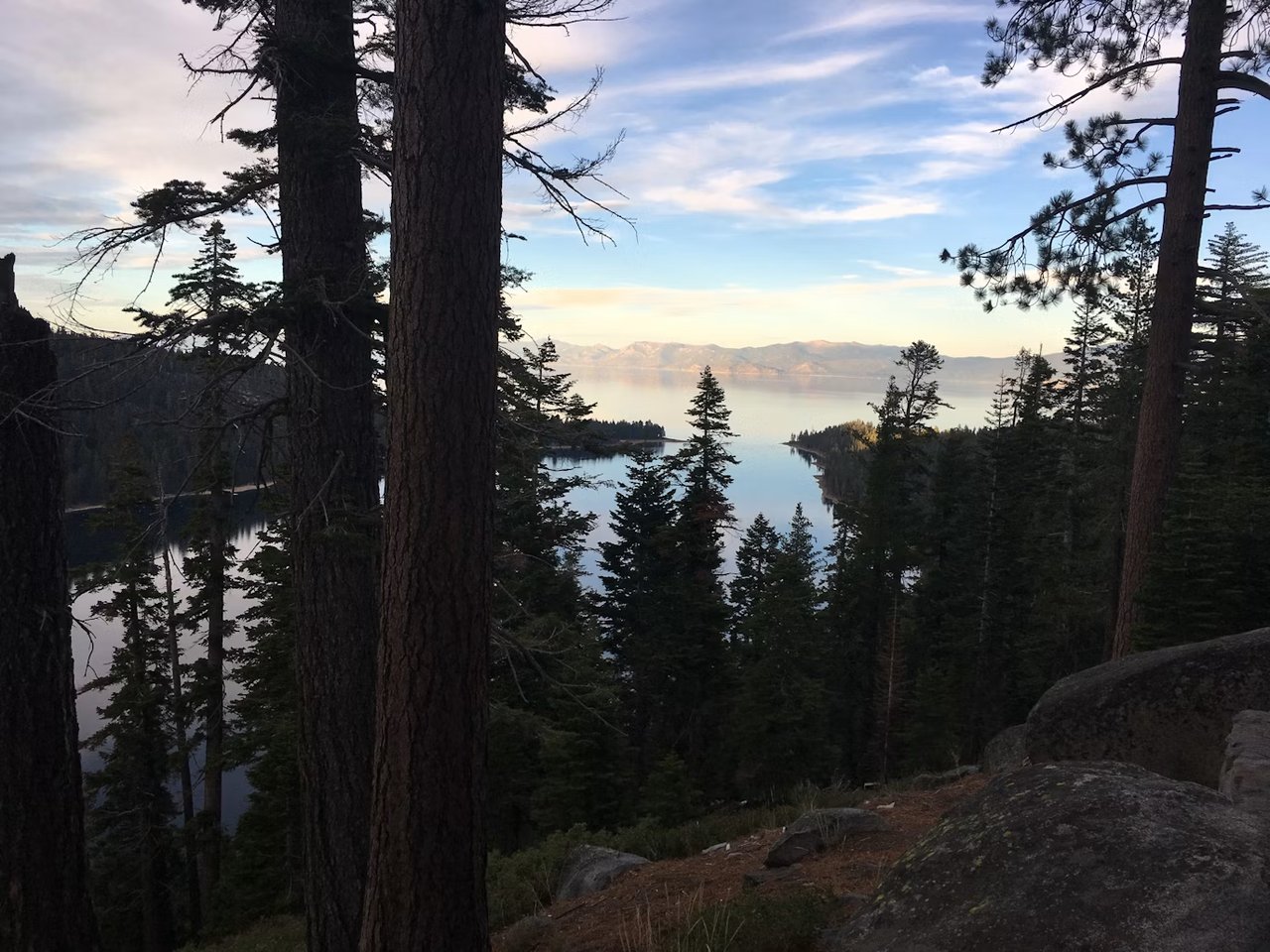
That kind of access shapes how many owners use their homes. A morning walk, an afternoon by the lake, or a quick sunset viewpoint can feel less like a special trip and more like part of normal life.
When winter arrives, Homewood takes on a different personality. The area shifts from lake-focused living to a ski-oriented routine, with Homewood Mountain Resort serving as an important West Shore recreation hub.
Placer County says the resort sits on 1,200 acres, and TRPA materials note that it is intended to remain a key gathering center for the West Shore while preserving public access and outdoor recreation. The resort’s official listing also noted that it closed for the season on March 17, 2026, and that its 2025-26 return came without the gondola, which remains on hold for another year.
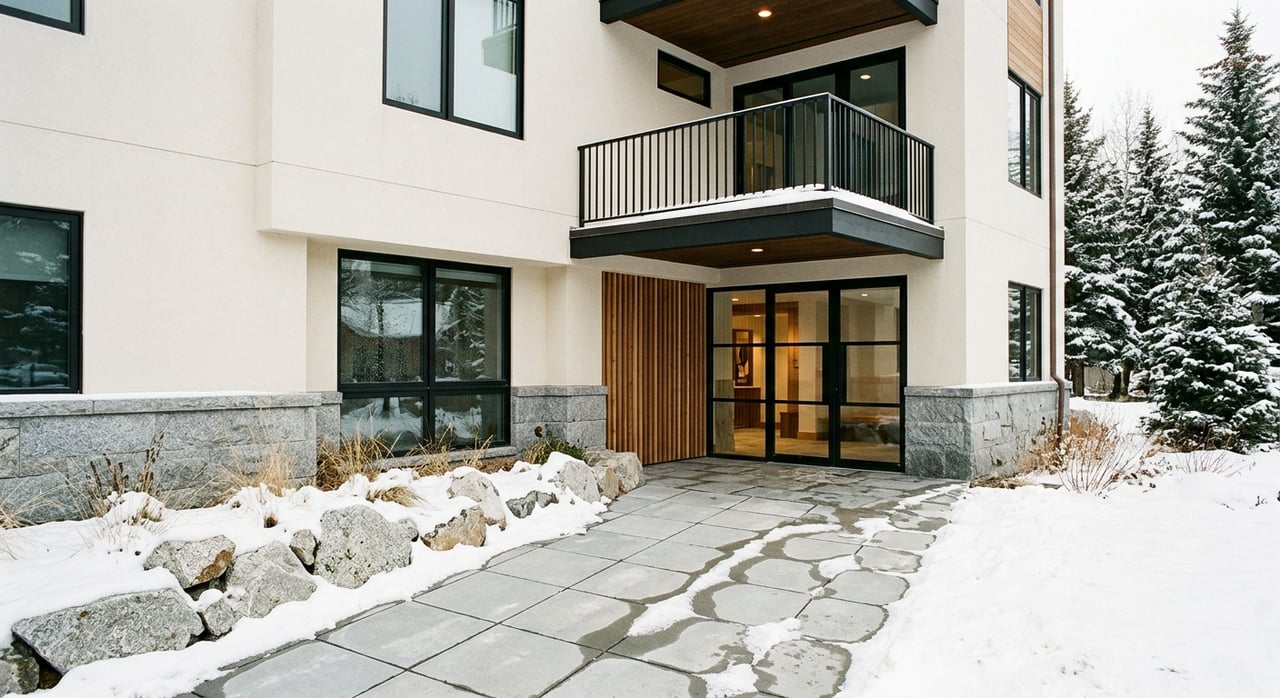
For homeowners, winter ownership often means leaning into the season instead of avoiding it. Snow, ski days, and mountain weather become part of your routine, which is appealing if you want a home base for year-round Tahoe living rather than just peak summer use.
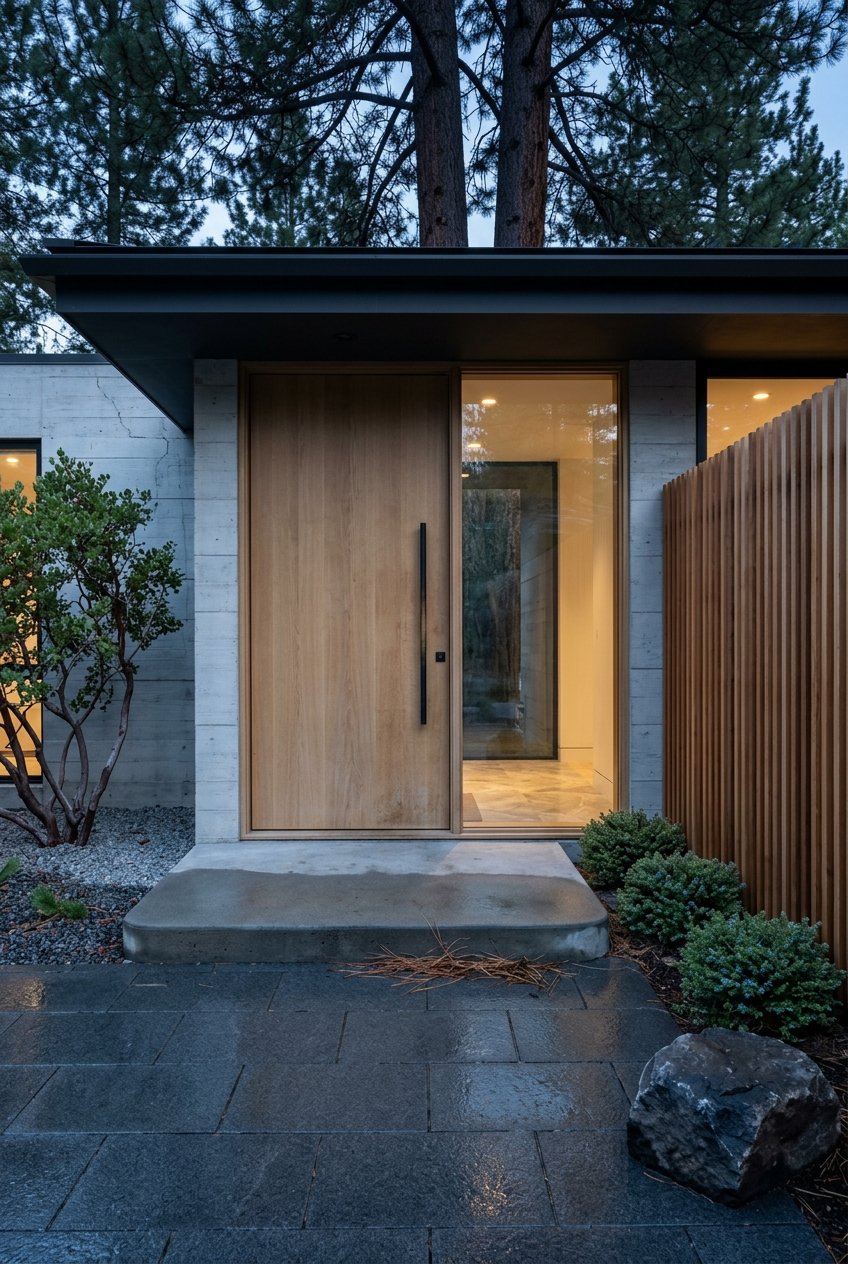
Homewood does not have a single cookie-cutter housing style. Instead, the area offers a mix of architectural approaches shaped by Tahoe’s terrain, views, and long history as a mountain-lake community.
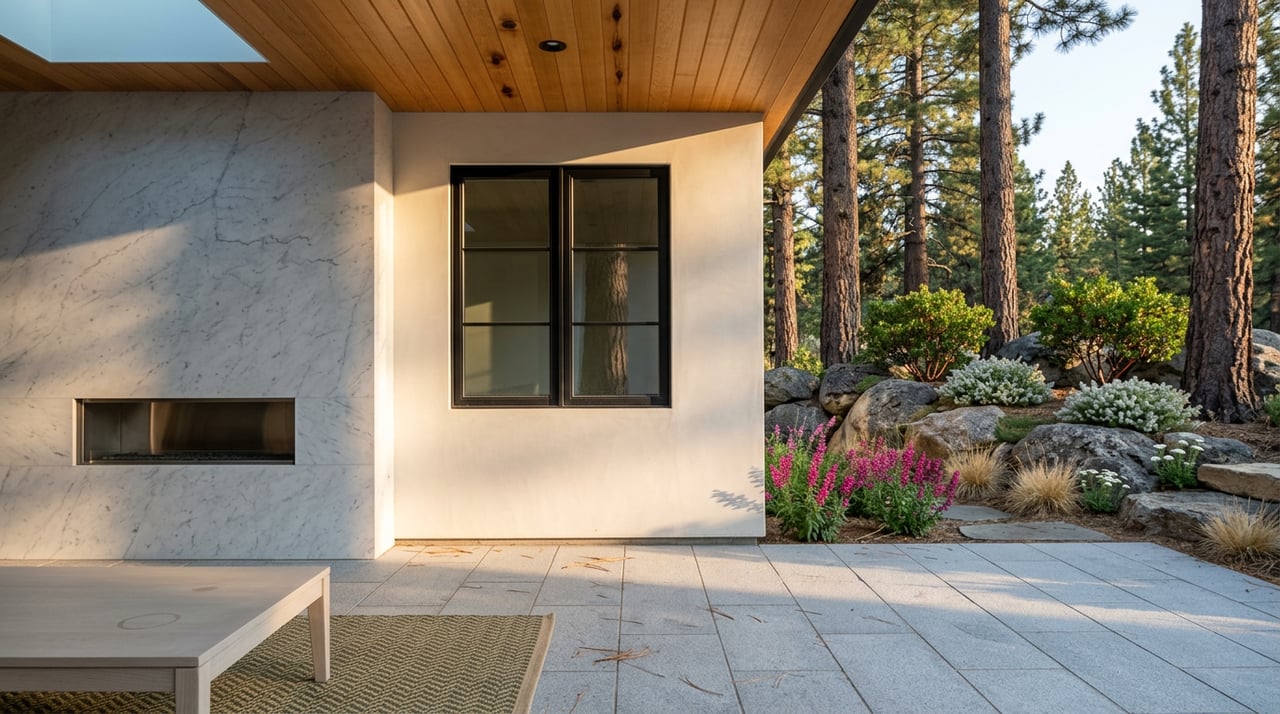
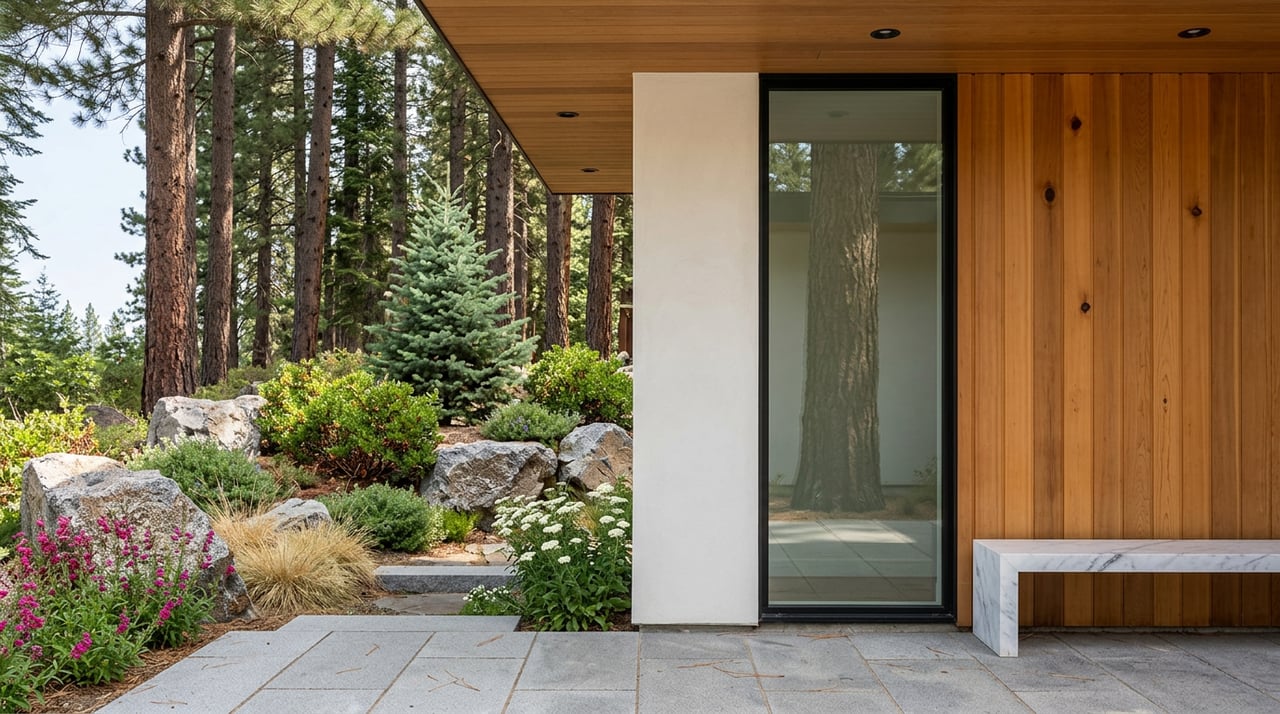
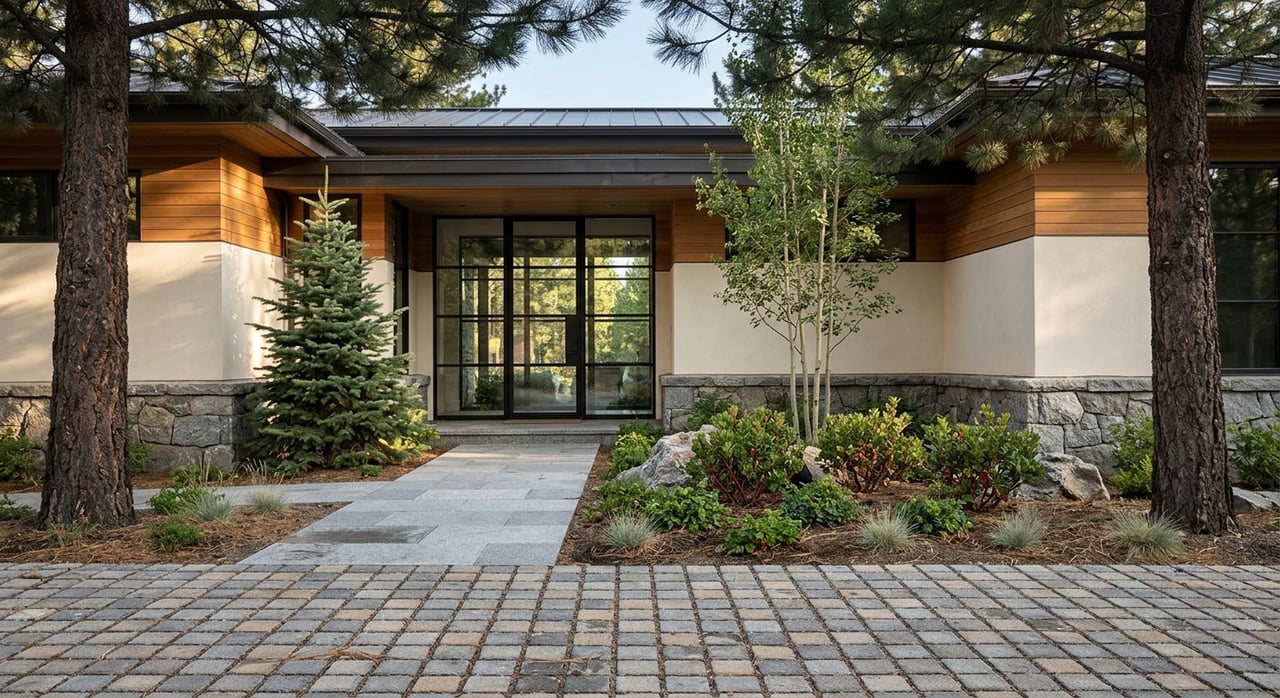
The TRPA scenic resources document describes a blend of rustic wood cabins, mid-century modern homes, old and new alpine elegance structures, and more generic modern architecture. TRPA project materials also describe newer proposals in Homewood as mountain modern, often using flatter roofs, straight lines, and natural materials.
Because the subdistrict is intended to stay low-density and residential, homes often feel more custom and individually sited than homes in a tract-style neighborhood. If you are buying here, that means each property may offer a different mix of privacy, access, design, and relationship to the landscape.
In Homewood, the natural environment is not just scenery. It also influences what ownership looks like over time. Trees, snowfall, slope, access, and lake proximity can all affect how you use and maintain your property.
Design expectations matter too. The TRPA scenic protection program explains that shoreline, roadway corridors, and recreation areas are scenic resource areas, and owners in those areas must follow design standards meant to help structures blend with the natural environment.
If you plan to remodel or rebuild, this is important context. Homewood can be a rewarding place to improve a property, but Tahoe-area ownership often comes with added layers of planning and design review that benefit from local guidance.
Homewood is best understood as a drive-and-park community rather than a walk-everywhere town. You can move around the West Shore with relative ease, but the area does not function like an urban center with a dense commercial grid.
That said, you do have options beyond your own car. TART Connect winter service includes Homewood and Tahoma in its West Shore zone, which can be useful during the ski season or for certain local trips.
For many owners, this setup is part of the appeal. You get a more peaceful residential setting, but you should also expect a lifestyle where driving remains part of day-to-day logistics.
Homewood tends to work best if you want a gentler Tahoe pace. The planning and recreation documents point to a place centered on scenery, low-density residential living, outdoor access, and a smaller-scale community feel rather than a high-energy resort core.
That can be especially appealing if you are looking for a second home, a seasonal retreat, or a year-round home base that supports lake days, trail access, and winter recreation. It is less about being in the middle of constant activity and more about having consistent access to the parts of Tahoe you may value most.
If you prefer nightlife, dense retail, or a highly walkable commercial district, another area may suit you better. But if your idea of a great Tahoe day starts with coffee in the trees and ends with lake or mountain views, Homewood stands out.
Lifestyle is only part of the picture. Owning in Homewood also means understanding some practical mountain-home responsibilities.
Homewood is served by the North Tahoe Fire Protection District, which lists a Homewood station among its eight stations. In a forested Tahoe setting, fire readiness is a routine part of ownership, not a one-time task.
Placer County also emphasizes Firewise-style wildfire preparedness in the Tahoe Basin. If you own here, ongoing defensible space work and seasonal awareness are an important part of protecting your property.
If you plan to use a property as a short-term rental, make sure you understand the local requirements before you buy. Placer County’s short-term vacation rental program includes fire life safety and defensible-space inspections under North Tahoe Fire District rules.
That does not mean a rental property cannot work well in Homewood. It does mean you should evaluate the property through both a lifestyle lens and an operational one.
While every property is different, mountain ownership generally comes with seasonal upkeep. Snow, trees, weather exposure, and access can influence maintenance schedules and long-term planning.
This is one reason local insight matters so much in West Shore real estate. A home that looks perfect on paper can feel very different once you factor in year-round use, improvement plans, and seasonal logistics.
What makes Homewood memorable is not just one amenity. It is the way the area balances everyday livability with classic Tahoe scenery.
You have shoreline access, nearby trailheads, a ski-area connection, and a setting that remains intentionally residential. That combination is increasingly rare for buyers who want Tahoe beauty without a heavy commercial backdrop.
If you are considering a move or second-home purchase on the West Shore, Homewood is worth a serious look. And if you want help understanding how a specific property fits your goals, Becky Arnold brings the kind of local West Shore perspective that can help you buy with confidence.
Stay up to date on the latest real estate trends.

Blogs
What Every Investor Should Understand Before Buying Here.
Blogs
Why Building Codes Here Make New Construction Worth It.
Blogs
Here’s Why Residents and Visitors Love Tahoe City.
Take a look at one of my many beautiful listings, feel free to ask questions and call me anytime to discuss the amazing opportunities and memories that await you as a homeowner on Lake Tahoe's magical west shore!