Buying A Luxury Lakefront Home On Tahoe’s West Shore
March 24, 2026
March 24, 2026
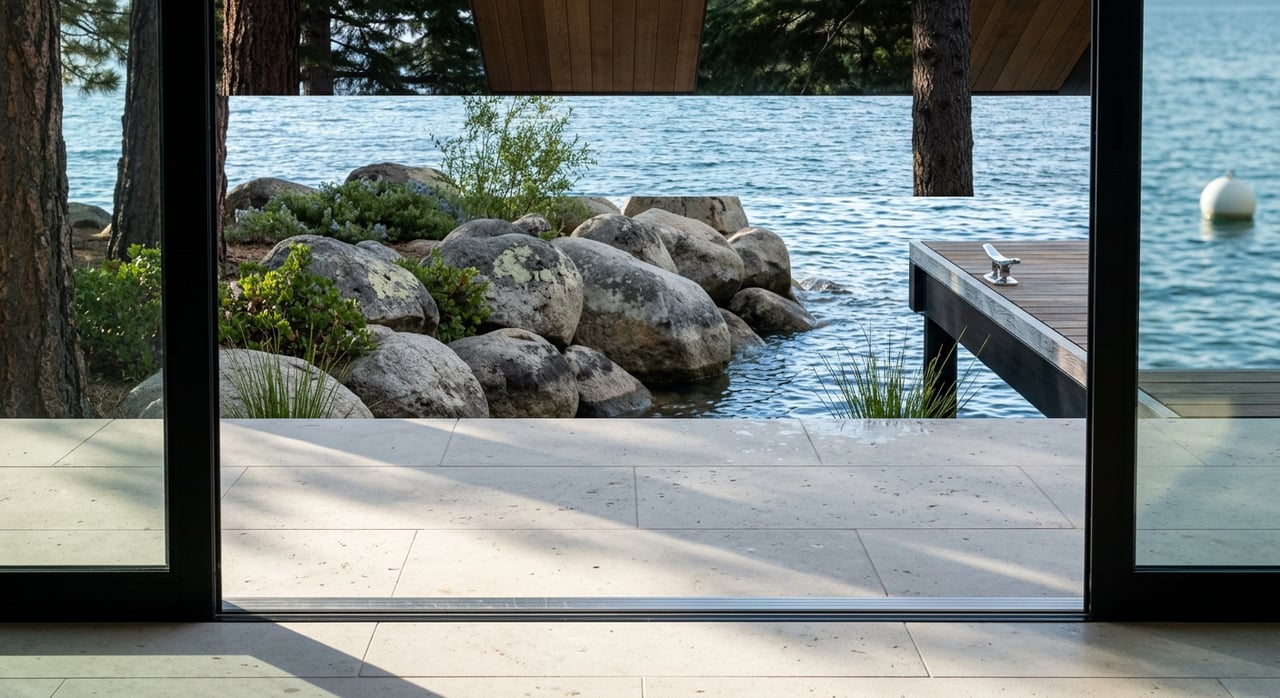
Imagine waking up to glassy blue water and stepping onto your own pier for a quiet morning cruise. Buying a luxury lakefront in Homewood can deliver that experience, yet the smartest purchases start with clear facts about moorage rights, permits, and property realities. In this guide, you’ll learn how pier and buoy permissions work, what to verify before you close, and which local rules can shape value. Let’s dive in.
Before you fall in love with a view, confirm the legal status of every pier, buoy, and lift tied to the property. Moorage is a regulated permission, not an automatic property right. The Tahoe Regional Planning Agency (TRPA) manages basinwide shoreline rules for piers and moorings, and all moorings must be registered and authorized. Start with the official TRPA Mooring Permitting and Registration portal to check parcel status and history.
TRPA strictly limits new moorings and new piers through phased allocations and lotteries. Winning a slot gives you the chance to apply, but you still must meet TRPA’s technical standards and scenic findings. Design constraints also apply, including buoy spacing, distances from property projection lines, lakeward limits, and mapped no‑build areas.
Lake Tahoe’s lakebed is sovereign land. Private structures like piers and buoys on the California side often require a State Lands Commission lease. Review recorded leases, rent and bond status, and assignment terms. You can see how leases are handled in State Lands Commission meeting records, and you should request all seller documents in escrow.
TRPA charges application and annual registration fees for moorings. Registration examples in TRPA’s schedule include per‑buoy fees and separate amounts for lifts or slips. There are also nonrefundable fees to enter lotteries or submit applications. Budget these recurring costs when valuing lake access.
Site‑specific rules determine what is possible on a given Homewood parcel:
Routine pier repairs typically require TRPA approval. Dredging for channels, ramps, or rock removal is a different track and can trigger multiple agencies. Many projects need a U.S. Army Corps Section 404 permit, plus a Clean Water Act Section 401 certification from the Lahontan Regional Water Quality Control Board. Review monitoring and turbidity controls in Lahontan’s orders, such as this 401 water quality certification guidance. Expect technical studies and conditions with any dredging proposal.
To protect Lake Tahoe from aquatic invasive species, all motorized boats launching on the lake are subject to inspection and, when needed, mandatory decontamination. Factor inspection station hours and fees into your boating plan if you bring a vessel from another water body. See the Lake Tahoe watercraft inspection program for current details.
You may not be able to remove large trees solely to improve a view. TRPA regulates tree removal and scenic character, and many projects require permits or mitigation plantings. Review multi‑agency fuel reduction guidance and coordinate defensible space with the local fire district using resources like the regional fuel reduction overview.
The West Shore has high wildfire risk areas, which can impact insurance availability and costs. Work with the North Tahoe Fire Protection District for inspections and defensible‑space compliance. For context on mapped risk zones, check the CAL FIRE fire hazard severity zones.
Some West Shore properties connect to the Tahoe City Public Utility District system for water and sewer, while others may rely on septic. Confirm capacity and connection status early, since utility constraints can affect remodels and occupancy. Start with the Tahoe City Public Utility District for service information.
If you plan to rent seasonally, Placer County runs a Short‑Term Rental program with permitting, inspections, and a regional cap. Verify eligibility and timing before assuming rental income, and review any local Tahoe Basin planning overlays that apply. Read the Placer County Short‑Term Rental Program to understand requirements.
Work through these items before you remove contingencies. Verify every pier, buoy, and lift before you close.
Luxury lakefronts in Homewood often feature sandy frontage or level lawns to the water, generous outdoor living, and, when permitted, private piers, boathouses, lifts, and assigned buoys. Legacy features like older rock crib piers or breakwaters are rare and can influence market value. The key is documentation. When legally permitted, private deep‑water moorage can add materially to price, but only if it is properly registered with TRPA and supported by a State Lands lease where required.
A great Homewood lakefront should feel effortless once you own it. Getting there takes careful verification of moorage rights, agency permits, utilities, and fire readiness. If you want a calm, confidential process with clear answers, reach out to Becky Arnold for west‑shore expertise and a concierge approach from offer to close.
Stay up to date on the latest real estate trends.

Using Color Psychology in Home Design to Shape How a Room Feels.

Blogs
Practical Ways to Improve Home Air Quality Year-Round.
Take a look at one of my many beautiful listings, feel free to ask questions and call me anytime to discuss the amazing opportunities and memories that await you as a homeowner on Lake Tahoe's magical west shore!