By Becky Arnold
I get asked about indoor air quality a lot here in Tahoe City, especially heading into wildfire smoke season or when someone's dealing with a wood stove for the first time. Improving home air quality isn't just about buying one product and calling it done. It really comes down to three things working together: cutting pollution at the source, ventilating well, and filtering what's left. Here's how I'd walk through it room by room.
Key Takeaways
- Source control, ventilation, and filtration are the three pillars of better indoor air, and they work best together, not alone.
- MERV 13 HVAC filters and true HEPA purifiers are strong filtration options for most homes, though higher-rated filters exist for systems designed to handle them.
- Keeping indoor humidity between 30% and 50% helps control both mold and dry air.
- A dedicated "clean air room" matters most during wildfire smoke season, which has become a near-annual pattern here in the Sierra rather than a one-time event.
Start With Source Control Before Anything Else
The EPA is clear that reducing or removing pollution sources is the single most effective step you can take, more impactful than any filter or purifier on its own. That means swapping synthetic air fresheners and heavily scented cleaning products for fragrance-free or certified low-VOC alternatives, and choosing zero-VOC paint if you're planning any updates. Fixing moisture problems early also matters here, since damp conditions are one of the most common sources of indoor air pollution in the first place. None of this requires a big renovation, it's mostly a matter of swapping what you already have for a cleaner alternative and building a few new habits into daily life.
What Source Control Actually Looks Like
- Switching to fragrance-free or EPA Safer Choice-labeled cleaning products
- Choosing zero-VOC paint for any painting or remodeling projects
- Running exhaust fans while cooking, showering, or using gas appliances
- Fixing moisture issues promptly, since dampness drives mold and other pollutants
- Avoiding smoking or vaping indoors entirely
- Reading product labels before bringing new furniture or building materials into the home, since off-gassing is a common and overlooked VOC source
Get Your Filtration Right
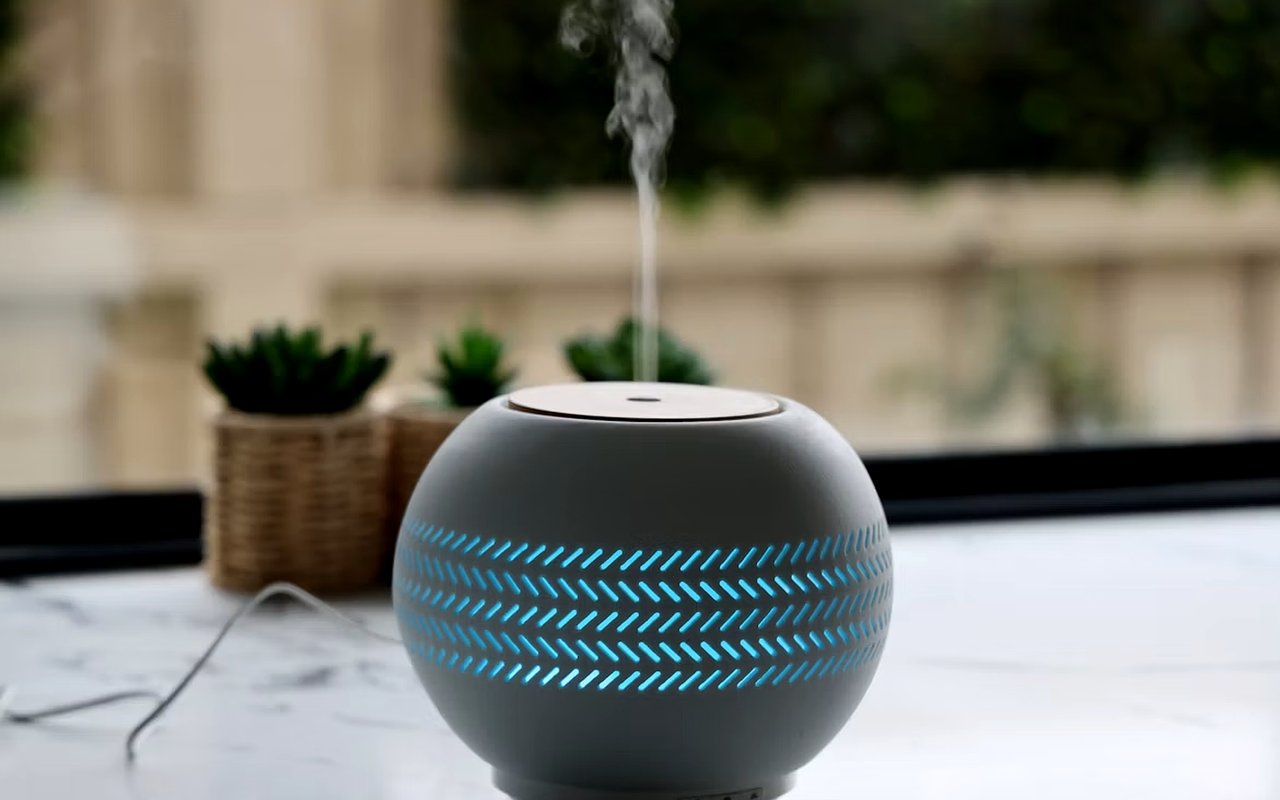
Filtration is meant to supplement source control and ventilation, not replace them, but it makes a real difference once the basics are covered. MERV 13 filters are a strong, widely recommended option for most home HVAC systems, capturing roughly 85% of particles in the mid-size range, though capture rates vary by particle size and higher-rated filters exist for systems specifically designed to handle their added airflow resistance. For rooms where you spend the most time, a true HEPA portable air purifier adds another layer of filtration on top of your HVAC system, and it's worth choosing a unit sized correctly for the room rather than assuming bigger is always better.
What to Look for in Filters and Purifiers
- MERV 13 filters for your HVAC system, if your system is rated to handle them
- A true HEPA portable air purifier for bedrooms or living spaces
- Regular filter replacement on the schedule your manufacturer recommends, typically every one to three months
- A CARB-certified air cleaner if you're in California, since it confirms the unit won't emit ozone
- Confirming with an HVAC technician before upgrading to a higher-MERV filter than your system was designed for
- A purifier sized appropriately for the square footage of the room it's meant to serve
Control Humidity to Keep Mold and Dust Mites in Check
Humidity is one of the most overlooked levers in indoor air quality, and it's a genuinely easy one to get wrong in either direction. The EPA recommends keeping indoor relative humidity between 30% and 50%, while ASHRAE points to 45% to 50% as the sweet spot for minimizing both mold growth and dust mite reproduction. Too much humidity invites mold and a musty smell, while too little dries out your skin and sinuses and can even affect static-sensitive electronics.
How to Keep Humidity in the Right Range
- A dehumidifier for rooms that run consistently damp or musty
- A humidifier during dry winter months
- An inexpensive hygrometer to actually track your humidity rather than guessing
- Addressing any bathroom or basement moisture issues before they become mold problems
- Checking humidity levels seasonally rather than assuming they stay constant year-round
- Paying particular attention to any room with limited airflow, like a basement or an interior bathroom
Prepare a Clean Air Room for Wildfire Smoke Season
Living in Tahoe City means wildfire smoke is a near-annual consideration rather than a rare exception, with smoke from regional fires settling into the Basin for stretches of most recent summers. The EPA and California Air Resources Board both recommend setting up a dedicated clean air room before smoke season arrives rather than scrambling once it does. Choose a room with no fireplace and as few windows and doors as possible, run a HEPA purifier continuously on its highest setting, and avoid activities that add particles to the air, like frying food, burning candles, or vacuuming without a HEPA-filtered vacuum. If a commercial purifier isn't in the budget, a do-it-yourself box fan with a MERV 13 filter attached is a legitimate, EPA-acknowledged alternative.
What to Set Up Before Smoke Season Arrives
- A room with no fireplace and minimal windows or doors, dedicated as your clean air space
- A HEPA purifier run continuously on its highest tolerable setting
- A CARB-certified unit specifically, to avoid ozone-generating air cleaners
- A DIY box fan and MERV 13 filter setup as a lower-cost backup option
- Avoiding candles, frying, and non-HEPA vacuuming inside the clean room during smoke events
- Switching your HVAC system to recirculate mode rather than pulling in outside air during heavy smoke
Don't Rely on Houseplants Alone
Houseplants get a lot of credit for cleaning indoor air, largely based on a 1980s NASA study conducted in a sealed lab environment that doesn't reflect how air actually moves through a real home. In practice, researchers estimate you'd need somewhere between 10 and 100 plants per square yard to see a meaningful reduction in pollutants, which isn't realistic for most living spaces. Plants are genuinely lovely to have around, but they shouldn't replace an actual filtration plan, especially during smoke season when the volume of particles in the air is far beyond what any reasonable number of houseplants could offset.
What Houseplants Can and Can't Do
- Offer real psychological and aesthetic benefits worth having on their own merits
- Provide only a negligible, lab-scale effect on actual pollutant levels in a real home
- Never substitute for a good HVAC filter or HEPA purifier
- Still be worth keeping around for reasons beyond air quality
- Require an unrealistic number of plants, by researchers' own estimates, to meaningfully move the needle on pollutants
FAQs
Do houseplants actually improve indoor air quality?
Only marginally in a real home. The often-cited NASA study was conducted in a sealed lab, and researchers estimate you'd need dozens of plants per square yard to see a meaningful effect, so I wouldn't count on them as a real air quality strategy.
What should go in a wildfire smoke clean room?
I'd pick a room with no fireplace and as few windows as possible, then run a HEPA or CARB-certified air purifier continuously on its highest setting. Avoid frying food, burning candles, or vacuuming without a HEPA filter while you're using the room.
How often should I change my HVAC filter?
Most manufacturers recommend every one to three months, though it depends on your filter type and household. If you're using a higher-efficiency filter like MERV 13, it's worth checking your system can handle the airflow resistance first.
Contact Becky Arnold Today
Whether you're settling into a home here in Tahoe City for the first time or thinking through updates to an existing one, I'm always happy to talk through what makes sense for your specific home and how it handles our local conditions, from wood stoves to wildfire smoke season.
If you have questions about a home's ventilation, filtration, or anything else that affects how it lives day to day, reach out to me,
Becky Arnold, and let's talk.