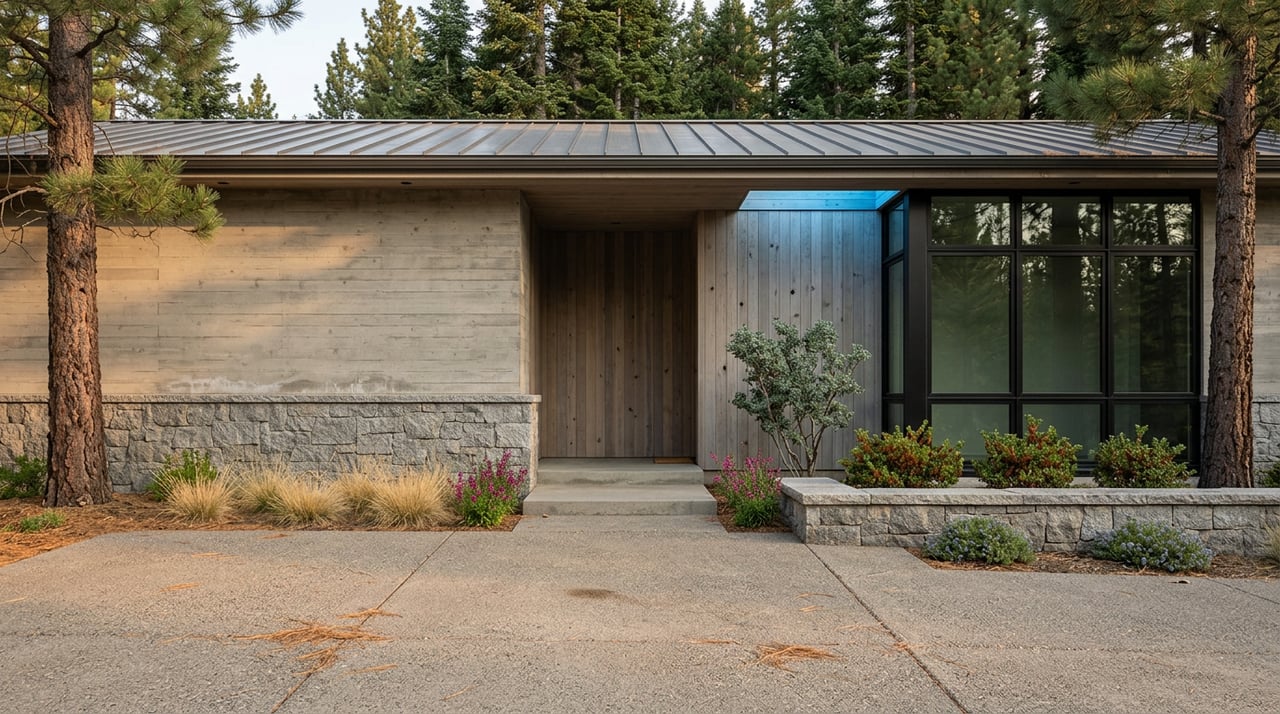
A home inspection is one of the most important steps in the home-buying journey, especially in a unique mountain community like Tahoe City. Buyers who enter the process well-informed are better prepared to make confident decisions and move forward with clarity. This guide outlines what buyers can expect from home inspections in Tahoe City, highlighting the key components of the process, the challenges specific to the region, and what a thorough inspection can reveal.
The Purpose of a Home Inspection
A home inspection provides an objective evaluation of a property’s current condition. It is not intended to judge a home’s cosmetic appeal but rather to identify underlying issues that may affect safety, structural integrity, and long-term maintenance. Inspectors assess the major systems and components of the home, offering buyers essential insights before finalizing a purchase.
In a market like Tahoe City, where homes endure heavy snowfall, fluctuating temperatures, and exposure to the elements, the inspection process plays an even more significant role. Home inspections in Tahoe City often focus on features and issues that may not be as common in other regions, making an experienced local inspector invaluable.
What Inspectors Typically Examine
While every inspector has a slightly different process, most follow industry standards that cover a wide range of systems. Buyers can expect the inspector to evaluate:
Roof and Exterior: The inspector will examine roofing materials, flashing, gutters, siding, windows, and doors, checking for signs of wear, leaks, or damage. Mountain homes often experience significant snow load, so proper roof structure and ventilation are key.
Foundation and Structure: Inspectors look for cracks, moisture intrusion, and any indicators of shifting or settling. In areas with freeze-thaw patterns, foundation assessments are particularly important.
Plumbing Systems: The home’s pipes, fixtures, water heater, and water pressure are reviewed. With cold winters in Tahoe City, inspectors also check for adequate insulation to help prevent frozen pipes.
Electrical Systems: This includes the electrical panel, wiring, outlets, and fixtures. Safety compliance is a major priority.
Heating Systems: Most homes in Tahoe City rely on heating for a large portion of the year. Inspectors check furnaces, boilers, ductwork, and, when present, fireplaces or wood-burning stoves.
Interior Features: Walls, ceilings, floors, appliances, and overall functionality fall within the interior review.
Attic and Insulation: Heat loss can be a major concern in cold-weather areas. Inspectors ensure that insulation is sufficient and ventilation is functioning properly to reduce moisture and maintain energy efficiency.
Unique Regional Considerations
Homes in Tahoe City face environmental conditions that differ from many other parts of California. As a result, home inspections in Tahoe City often include region-specific observations.
Snow Load and Roof Integrity
Given the region’s heavy snowfall, inspectors pay close attention to the roof’s structural soundness, ensuring it can handle seasonal snow accumulation. Ice dams, which occur when warm air escapes and melts snow unevenly, can also cause water intrusion. Proper insulation and ventilation are key defenses.
Moisture and Drainage
High precipitation levels mean moisture management is essential. Inspectors look for proper drainage systems, sealed foundations, and effective grading around the home. Inadequate drainage can lead to basement moisture, mold, or even structural damage.
Pest Intrusion
Rodents often seek warmth during colder months, making pest prevention an important consideration. Inspectors may identify entry points or signs of previous infestations.
Heating Efficiency
Because heating is a year-round necessity, inspectors evaluate whether systems are not only functional but efficient. Insufficient heating can lead to discomfort and higher utility costs.
Understanding the Inspection Report
After the inspection is completed, buyers receive a detailed report that outlines the inspector’s findings. This document typically includes descriptions, photographs, and recommendations that help buyers understand the home’s strengths and any potential areas of concern.
It’s normal for an inspection report to list several issues, many of which may be minor. Homes naturally experience wear over time, and even well-maintained properties will show evidence of normal aging. The purpose of the report is to provide transparency so buyers can evaluate whether any issues require renegotiation, repair requests, or future budgeting.
How Buyers Should Prepare
Approaching an inspection with realistic expectations helps buyers make the most of the process. Buyers should:
Attend the inspection if possible: Being present allows for questions and firsthand observations. Inspectors can often provide context that makes the written report easier to interpret.
Plan for follow-up evaluations: If the inspector identifies specialty concerns — such as potential structural issues, roof damage, or HVAC needs — buyers may want to bring in a specialist for further review.
Consider long-term maintenance: Even small repairs uncovered during the inspection can help buyers plan for future upkeep and better understand the total cost of homeownership.
The Role of Inspections in Negotiations
The inspection report can play a meaningful role in finalizing the purchase. While sellers are not required to address every issue uncovered, the inspection gives buyers an opportunity to request repairs or credits. The goal is to ensure the home is safe and sound, and that buyers are aware of what they are purchasing.
In competitive markets, buyers may be hesitant to make extensive repair requests, but safety concerns or major structural issues typically warrant a closer look. Working with an experienced real estate professional can help buyers determine the best strategy.
Peace of Mind Through Knowledge
Ultimately, the goal of home inspections in Tahoe City is to empower buyers with information. A thorough inspection highlights the condition of the home, showcases areas that may need attention, and provides insight into maintenance that will keep the property functioning well over time. This step is essential for making an informed purchase and protecting a significant investment.
Whether purchasing a primary home, investment property, or a seasonal retreat, buyers benefit from understanding the inspection process and knowing what to expect in this unique mountain environment. Reach out to
Becky Arnold, a real estate expert in Tahoe City, to learn more.