When preparing to sell a home, understanding the elements that most significantly impact resale value is essential. Homes appreciate over time for many reasons, including market trends, location, and thoughtful improvements. Buyers and sellers alike benefit from recognizing which features hold the strongest influence. This guide outlines the most important home resale factors, helping homeowners make informed decisions that support long-term financial goals and market appeal.
Location and Neighborhood Appeal
Location is often the single most influential component in determining a home’s value. While homeowners can update interiors, add amenities, or enhance curb appeal, the setting of the property remains fixed—and plays a large role in shaping desirability.
Proximity to Amenities
Homes located near schools, grocery stores, parks, medical facilities, and recreation areas typically command stronger prices. Convenience is a major selling point for buyers, especially those with busy lifestyles or families. Proximity to public transportation, shopping districts, or community events can further enhance appeal.
Surrounding Development
Local development plans can either boost or diminish value. Access to new infrastructure, revitalized neighborhoods, or added amenities may increase demand. Conversely, upcoming construction projects or commercial expansions may affect traffic flow, noise levels, or overall appeal.
Home Size, Layout, and Functionality
The size and configuration of a home affect both its current enjoyment and future marketability. While personal tastes vary, certain features consistently attract buyers.
Square Footage and Number of Bedrooms
Homes with sufficient living space and flexible room layouts tend to sell more quickly and at higher prices. An additional bedroom or expanded living area can significantly influence perceived value. Buyers often prioritize properties that provide room for growth.
Open and Functional Floor Plans
Modern buyers lean toward open-concept living, efficient storage, and functional use of every space. Homes with awkward layouts or limited flow may struggle to compete. Upgrading or reconfiguring floor plans can improve both usability and long-term value.
Quality of Construction
Sound construction, updated systems, and a solid structural foundation play a major role in a home’s market value. Buyers are drawn to homes that feel sturdy, well-maintained, and built to last.
Condition and Upgrades
One of the most significant home resale factors is condition. Homes that appear well-cared-for often sell faster and for more money than those that show signs of neglect.
Kitchens and Bathrooms
These spaces are widely regarded as the heart of the home and can heavily influence buyer decisions. Modern appliances, updated cabinetry, quality countertops, and clean, functional layouts make a strong impact. Bathroom updates such as new fixtures, tile, and lighting also boost appeal.
General Maintenance
Regular maintenance—such as roof care, clean gutters, updated electrical systems, and well-functioning plumbing—helps preserve and enhance home value. Deferred maintenance can signal potential issues, deterring buyers or leading to lower offers.
Cosmetic Updates
Fresh paint, updated lighting, modern flooring, and well-chosen finishes can refresh a home without significant cost. Even small updates can shift perception and increase desirability.
Energy Efficiency and Sustainability
Energy efficiency has become a major priority for today’s buyers. Homes that offer reduced utility costs and minimal environmental impact often stand out in competitive markets.
Window and Insulation Upgrades
High-quality insulation and energy-efficient windows help maintain comfortable temperatures year-round while lowering heating and cooling expenses. These improvements are attractive to buyers seeking modern comfort.
Efficient Heating and Cooling Systems
Updated HVAC systems, programmable thermostats, and energy-efficient appliances contribute significantly to reduced utility costs. Buyers view these upgrades as valuable long-term investments.
Sustainable Features
Solar panels, low-flow plumbing fixtures, and eco-friendly building materials can appeal to environmentally conscious buyers. Sustainability is not only a trend—it is a meaningful value driver.
Curb Appeal and Outdoor Living
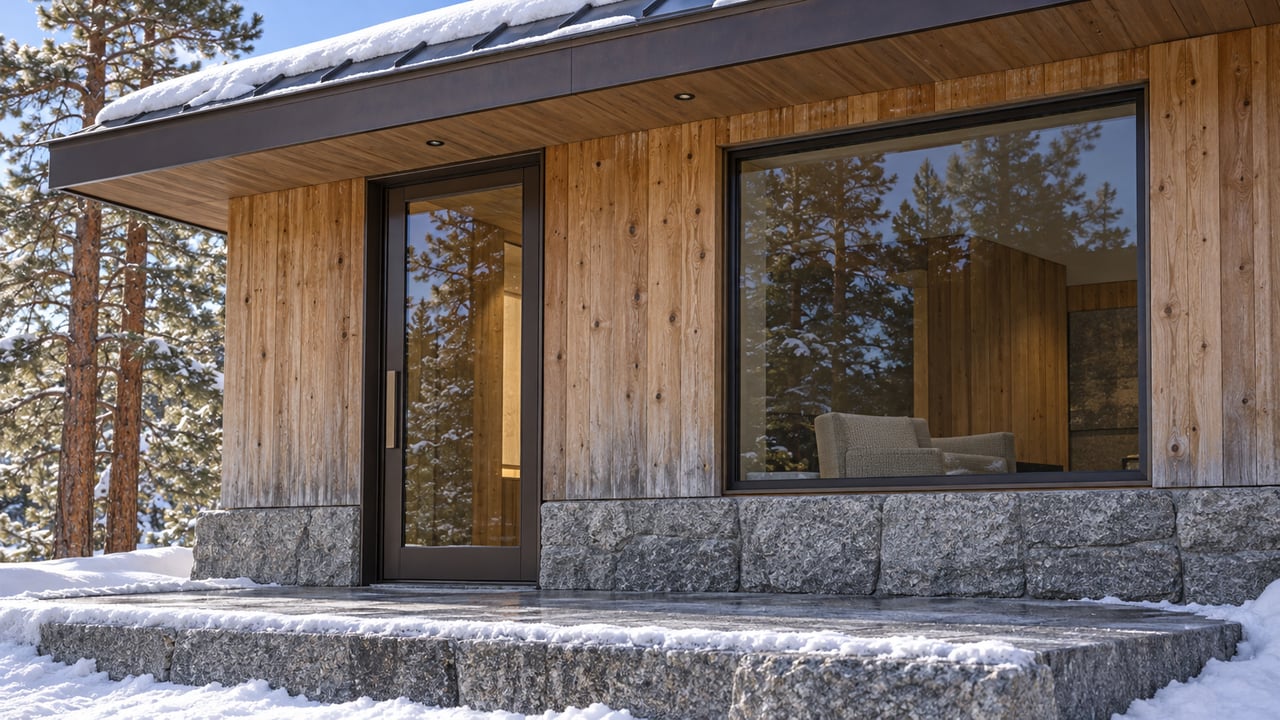
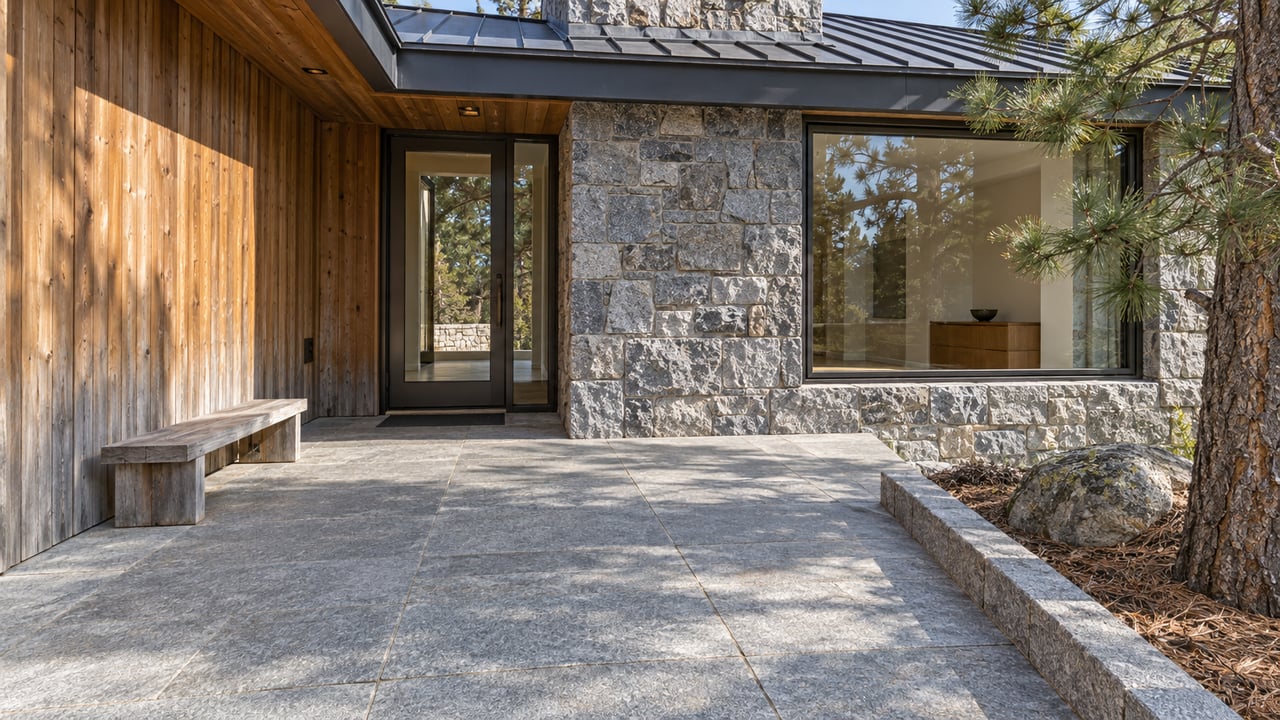
A home’s exterior is the first impression, making curb appeal a major component of home resale factors. Attractive landscaping, welcoming entryways, and inviting outdoor spaces help set a positive tone.
Landscaping and Exterior Maintenance
Well-maintained lawns, trimmed shrubs, fresh mulch, and clean walkways enhance visual appeal. Exterior updates—such as new siding, a fresh coat of paint, or repaired fencing—can add meaningful value.
Outdoor Living Spaces
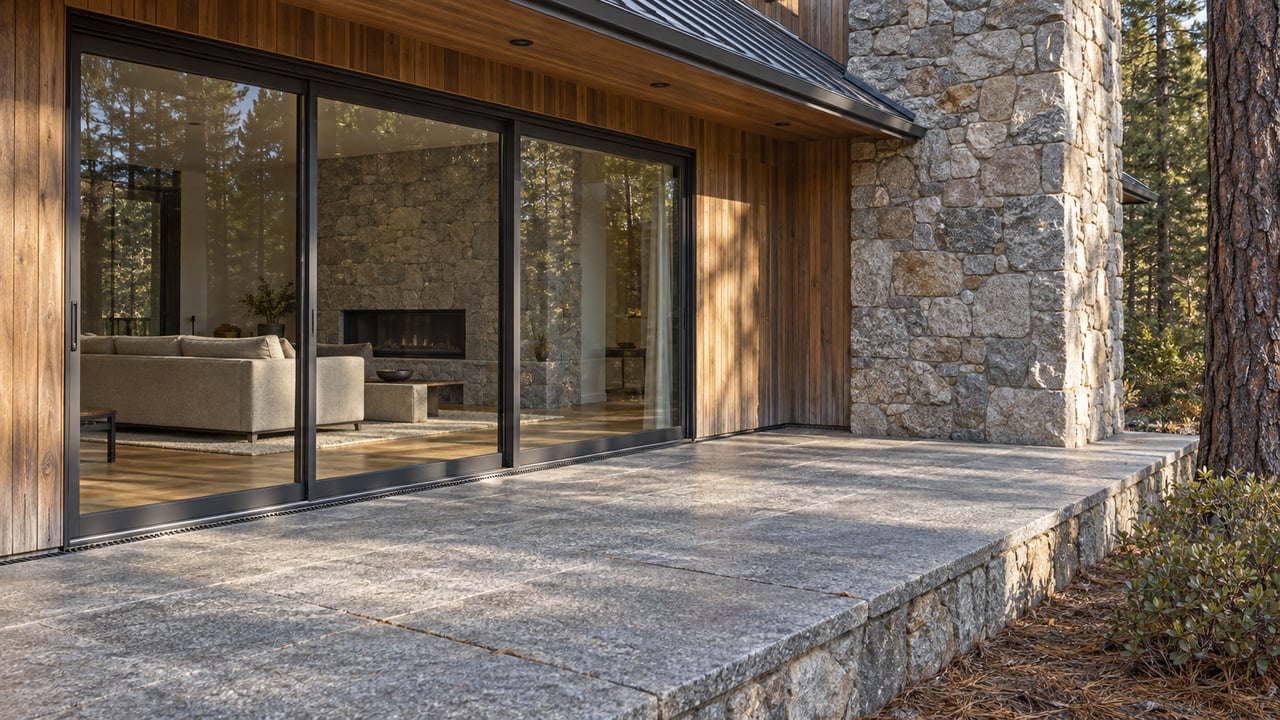
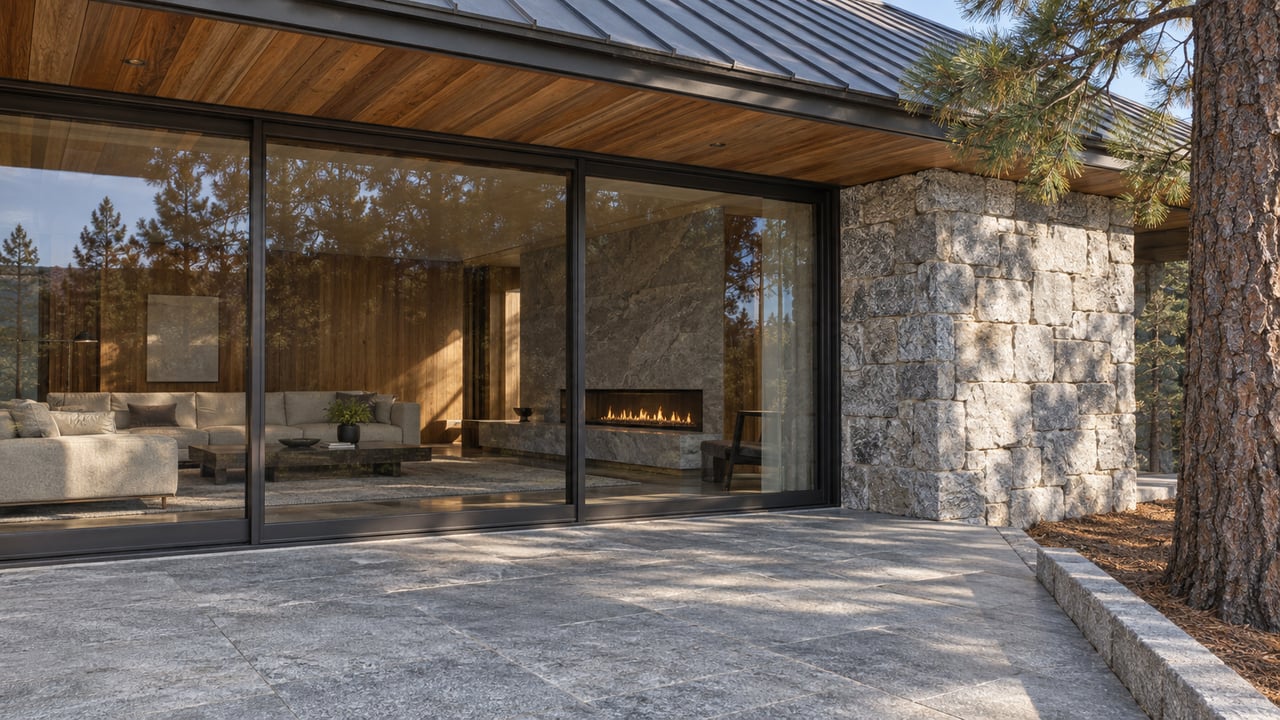
Decks, patios, porches, and fire pits are popular features that extend functional living space. Buyers increasingly seek areas for relaxation, entertainment, and outdoor dining.
Exterior Lighting
Thoughtful lighting improves both safety and aesthetics. Pathway lighting, porch fixtures, and landscape illumination can elevate the property’s appearance and attractiveness.
Market Conditions and Timing
Even the most beautifully updated home is influenced by broader market forces. Market conditions, interest rates, and seasonal trends all play a role in determining resale value.
Inventory Levels
When inventory is low, competition among buyers intensifies. Homes often sell quickly and for higher prices under these conditions. A market with abundant inventory may require more strategic pricing to stand out.
Interest Rates
Interest rates directly affect affordability. When rates are low, more buyers enter the market, driving demand. Higher rates may limit buyer budgets and influence resale potential.
Seasonal Trends
Certain seasons may lead to stronger buyer activity. While this varies by region, many markets experience increased interest during spring and summer months.
Location-Specific Considerations
Some homes have additional value based on region-specific characteristics. Whether a property is near a lake, situated on a quiet street, or offers mountain or city views, these factors can significantly increase desirability.
Unique features such as proximity to outdoor recreation, trail systems, beaches, or upscale dining can also shape buyer preferences. Homes that capitalize on natural beauty or convenience often see stronger resale potential.
The Importance of Professional Guidance
Determining which improvements or features will most influence resale value can feel overwhelming. Understanding home resale factors requires market knowledge, industry insight, and awareness of local trends. A professional who specializes in the area, like
Becky Arnold, can provide tailored recommendations, ensuring homeowners prioritize projects that offer the strongest return.