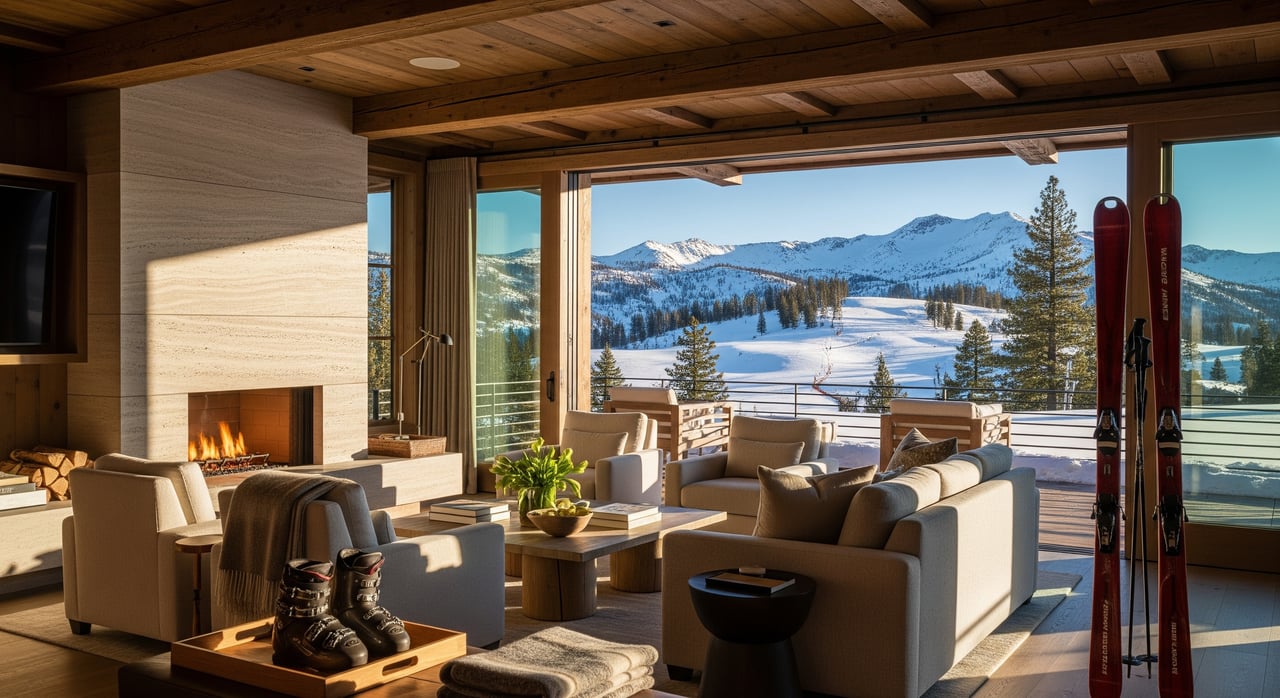
Are you deciding whether to offer a seasonal ski lease or run a nightly short‑term rental for your Alpine Meadows home? You want solid income without headaches and a plan that fits how you actually use your place. This guide gives you a clear, local look at both paths so you can choose with confidence. You will learn how each option works, what Placer County and Tahoe Basin rules mean for you, and how demand patterns near Palisades Tahoe shape revenue. Let’s dive in.
Ski lease vs STR: quick definitions
What a seasonal ski lease is
A ski lease is one agreement for a continuous multi‑week or multi‑month block, typically the winter season. Terms are usually 30 days or longer and often run November through April. It is generally treated like a residential tenancy.
What a short‑term rental is
A short‑term rental, or STR, is booked by the night, usually for stays under 30 days. Guests often book through platforms or a local property manager. STRs offer flexible owner use between bookings but involve more turnover and operations.
What owners gain and give up
Income profile
- Ski lease: Predictable cash flow for the full term with lower volatility. Often lower than peak STR revenue averaged across the season, but steadier.
- STR: Higher potential upside on holidays and powder weekends, but revenue varies with occupancy and requires active pricing and marketing.
Owner use
- Ski lease: Tenants typically have exclusive use during the lease. Owner access must be negotiated in advance and is uncommon for multi‑month terms.
- STR: You can block dates for your own stays when not booked.
Operations and cost
- Ski lease: Minimal turnover, simpler logistics, and fewer cleanings. Utilities and responsibilities can be assigned in the lease.
- STR: Frequent cleanings, guest communication, on‑call support, and higher supply and maintenance needs.
Wear and liability
- Ski lease: Fewer turnovers can mean less wear. Covered by typical landlord policies, but confirm details with your insurer.
- STR: Faster wear from higher guest volume and different insurance requirements. Specialized STR or commercial liability coverage is common.
Legal framework
- Ski lease: Tenancies of 30 days or more are usually covered by landlord‑tenant laws, which provide stability but less owner flexibility mid‑term.
- STR: Guests are transient occupants, not long‑term tenants, and are subject to lodging and local code rules.
Local rules in Alpine Meadows and Palisades
Properties in Alpine Meadows and Olympic Valley sit in unincorporated Placer County, with parts of the area inside the Lake Tahoe Basin. That means multiple layers of oversight from Placer County, the Tahoe Regional Planning Agency (TRPA) for basin properties, and your HOA or building management. Always confirm current rules before you rent.
The 30‑day dividing line
Many jurisdictions use 30 days to define short‑term rentals. Stays under 30 days are generally treated as STRs, while stays of 30 days or more are typically long‑term residential tenancies. Confirm how Placer County applies this threshold to your specific address.
Permits, registration, and TOT
STRs in the Tahoe area often require county registration or permits, application fees, and renewals. Owners are commonly responsible for registering, collecting, and remitting transient occupancy tax for stays under 30 days. Verify the current process and rates with Placer County’s Treasurer–Tax Collector.
Safety, occupancy, parking, and trash
Expect limits on maximum occupants, requirements for off‑street parking, and strict trash standards, such as bear‑resistant containers and scheduled pickup. Safety items like smoke and CO detectors, emergency information, and compliance checklists are typical.
Local contact or manager
Many STR programs require a local contact or manager who can respond 24/7 within a set time frame. Plan for this if you do not live nearby.
HOA and TRPA considerations
HOAs can restrict or prohibit nightly rentals, impose minimum stays, or require prior approval. Within the Lake Tahoe Basin, TRPA rules add environmental and site requirements that can affect parking, vegetation, and stormwater control. Review your CC&Rs and confirm whether your property lies in the basin.
Enforcement and penalties
County and basin authorities actively enforce STR rules. Non‑compliance can lead to fines or permit suspension. Stay ahead by aligning your operations with current standards.
Owner use, taxes, and insurance
Owner flexibility
- Ski lease: Generally exclusive to tenants for the term, unless you negotiate limited owner use in the lease.
- STR: You can reserve your own dates when not booked. Some jurisdictions may limit owner‑occupied nights while listed as an STR, so confirm local rules.
Income and risk profile
- Ski lease: Lower management load and stable seasonal income.
- STR: Higher potential gross revenue during peak windows, with greater variability and operating costs.
Taxes and fees
- STR: Stays under 30 days usually trigger transient occupancy tax registration, collection, and remittance. Keep records and file on time.
- All rentals: Report rental income on federal and state returns. Short‑term rentals can have different tax treatments than longer tenancies. Consult your CPA for depreciation and expense planning.
Insurance and liability
- STR: Many homeowner policies exclude business guest use. Secure policy endorsements or specialized STR coverage and consider umbrella liability.
- Ski lease: Typically covered by landlord policies. Confirm the specifics for long‑term tenants in a mountain environment.
Contracts and tenant law
- Ski lease: Residential tenancy rules apply, including habitability and formal eviction processes if needed.
- STR: Guests are transient and subject to lodging and local code rules rather than long‑term tenancy protections.
Demand patterns near Palisades Tahoe
Peak seasons that drive bookings
- Winter is primary: holiday weeks, long weekends, and storm cycles typically yield the highest occupancy and rates.
- Spring and summer: March can stay strong with spring skiing. Summer also brings meaningful demand for hiking, biking, and lake activities, though it is often lower than peak winter in Alpine Meadows and Palisades.
Features guests value near the lifts
- Location: Walkable or shuttle‑accessible homes command a premium.
- Parking and layout: Reliable parking, enough beds and baths, mudroom or ski storage, and boot dryers help convert inquiries to bookings.
- Amenities and internet: Hot tubs, saunas, decks, and fast Wi‑Fi make listings stand out.
Booking behavior to expect
- Lead times: Holiday weeks book early; midweek and shoulder periods can be last‑minute.
- Minimum stays: Hosts often set longer minimums during peak weeks to reduce turnover and boost revenue.
- Cancellations: Weather and road conditions can affect plans, so have clear policies.
Which path fits your goals
Build your numbers with a simple pro forma
Ski lease scenario
- Project gross seasonal rent for the lease term.
- Subtract any management fees, utilities you will cover, light cleaning, and off‑season carrying costs.
- Include a reserve for routine maintenance and snow‑season wear.
STR scenario
- Estimate average daily rate and realistic occupancy using comparable properties and localized market data.
- Subtract platform or management fees, cleaning, supplies, utilities, maintenance, and transient occupancy tax.
- Add a reserve for faster wear and compliance costs. Stress‑test holidays vs non‑holiday periods.
Action checklist for buyers and owners
Regulatory due diligence
- Confirm Placer County’s STR rules, eligibility, and permit or registration requirements for your address.
- If inside the Lake Tahoe Basin, review TRPA considerations that may apply to your property and parking.
- Read your HOA or condo CC&Rs for any rental restrictions or approvals.
- Verify transient occupancy tax registration and filing steps for stays under 30 days.
Operational planning
- STR plan: Arrange a local contact or manager with 24/7 response, secure STR‑appropriate insurance, set house rules, and prepare safety and emergency information.
- Ski lease plan: Draft a clear lease that covers utilities, snow removal, parking, hot tub responsibilities, and any negotiated owner access.
Professional guidance
- Speak with an insurance broker experienced in STRs and mountain properties.
- Consult a CPA about rental income reporting, depreciation, and expense treatment for your preferred strategy.
- Engage local property managers or data providers for realistic pricing and occupancy expectations.
Local guidance you can trust
Your goals and lifestyle should drive the choice between a seasonal ski lease and a nightly STR. With layered rules in Placer County and the Tahoe Basin, a clear plan and accurate numbers matter. If you are weighing a purchase or repositioning your Alpine Meadows property, connect with a local advisor who understands both the mountain lifestyle and the regulations that shape it. Start your Tahoe search with Becky Arnold for personalized, on‑the‑ground guidance.
FAQs
What is the difference between a ski lease and an STR in Alpine Meadows?
- A ski lease is one continuous 30‑plus day tenancy for the season, while an STR is rented by the night for stays under 30 days and typically requires registration and transient occupancy tax.
Can I use my home during a ski lease term?
- Usually no; tenants have exclusive use for the term unless limited owner access is specifically negotiated in your lease agreement.
Do I need a permit or registration to run an STR near Palisades Tahoe?
- In many Tahoe communities you must register or obtain an STR permit and handle transient occupancy tax, so confirm the current process with Placer County for your address.
What features help an STR near the lifts book well?
- Proximity to the lift or shuttle, adequate parking, practical sleeping layouts, ski storage or mudroom space, reliable Wi‑Fi, and amenities like a hot tub can boost demand.
How do taxes and insurance differ for STRs vs ski leases?
- STRs often require transient occupancy tax and specialized insurance, while ski leases are typically covered by landlord policies; review details with your CPA and insurer.
I am buying with rental goals in Alpine Meadows; what should I do first?
- Verify county and TRPA rules for your property, review HOA restrictions, build pro forma scenarios for both strategies, and speak with a local advisor to align the plan with your lifestyle and budget.