Palisades Condos: Ski‑In/Ski‑Out vs Shuttle‑Access
January 15, 2026
January 15, 2026
Torn between the ease of clicking into your skis at the door and the value of a short shuttle ride to the lifts? You’re not alone. Many buyers eyeing condos at Palisades Tahoe in Olympic Valley want both convenience and smart economics. In this guide, you’ll learn how ski‑in/ski‑out compares with shuttle‑access on price, ongoing costs, rental potential, and daily experience so you can choose with confidence. Let’s dive in.
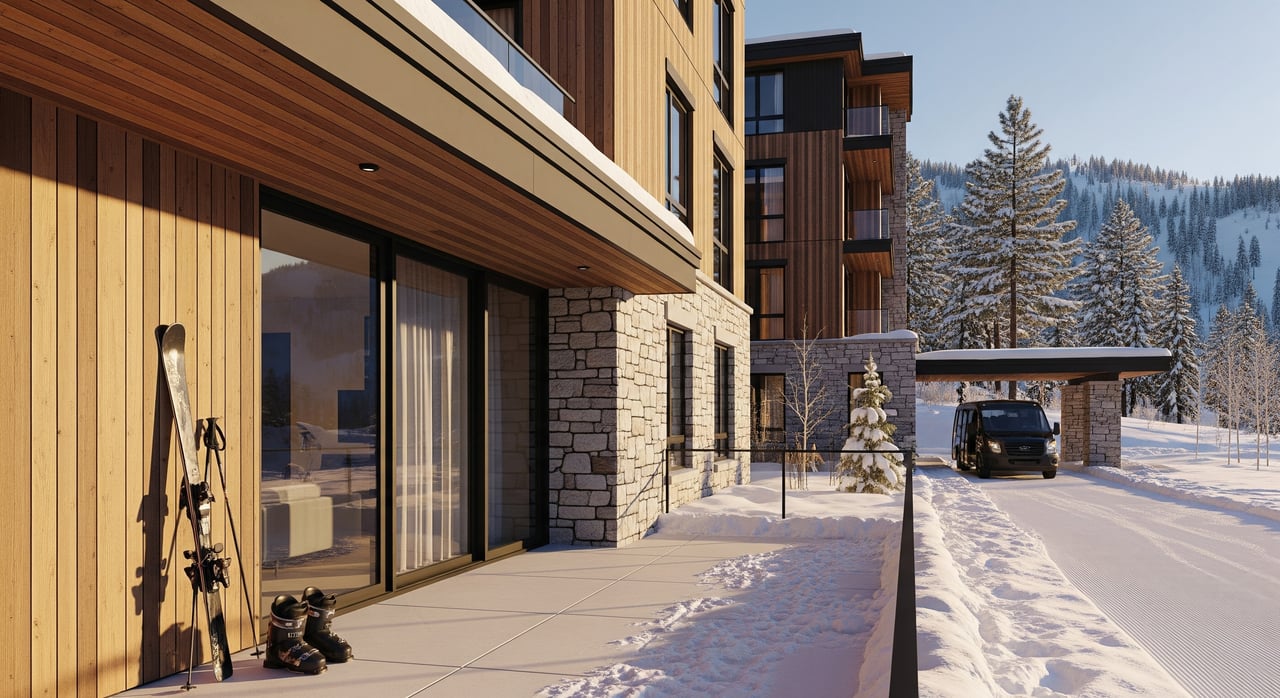
At Palisades Tahoe in Olympic Valley, true ski‑in/ski‑out means direct access from your building to groomed terrain or a run that leads to a lift. These condos sit at or next to the base area or along slopeside buildings, often near restaurants, ski school, and resort services. You can step out, click in, and go. That proximity drives demand and a price premium.
Shuttle‑access condos sit off the slope but connect to the resort by regular shuttles. Depending on the route, it can be 1 to 15 minutes to the base. Service may be provided by the resort, North Lake Tahoe public transit, or your HOA. In peak times, you should plan for some waits, especially at day start and après.
Some properties are “walkable,” with a snow‑cleared path to the base in roughly 10 to 20 minutes. Others are a short walk to a shuttle stop. These hybrids can offer a solid middle ground if you want better pricing than slopeside without always relying on a vehicle.
Before you commit, confirm the actual logistics for the specific condo:
Ski‑in/ski‑out condos in Olympic Valley typically command a premium. The reasons are simple: scarce slopeside inventory, the time value for frequent skiers and families, and on‑site amenities at the resort base. For many buyers, stepping onto the snow without loading a car is worth paying up.
Shuttle‑access units often trade for less per square foot. They attract value‑minded buyers who want more space for the money, assigned parking, or a quieter setting. Liquidity varies by season and buyer pool. Slopeside units tend to see strong demand in winter, while shuttle‑access homes can draw a broader audience year‑round, especially those who prioritize space and price over direct lift access.
Expect higher HOA dues in true slopeside buildings. Shared amenities like staffed lobbies, elevators, heated common areas, frequent snow removal, and on‑site ski storage increase operating costs. Heavier guest use also means more wear, which can show up in budgets and reserve studies.
Off‑slope or shuttle‑served complexes may have lower dues, though some fund shuttles, expanded snow removal, or seasonal services that add cost. What matters most is what each HOA actually covers.
Here’s what to review in the HOA documents:
From a rental perspective, slopeside units often achieve higher nightly rates and strong winter occupancy. Ski groups love the convenience and will pay for it, especially on holidays and powder weekends. Shuttle‑access condos can still rent well, particularly when priced competitively or positioned for larger families.
Your net yield depends on more than top‑line revenue. Higher purchase prices and HOA dues can reduce returns even if gross income looks strong. Property management fees are another factor, as local managers often charge about 20 to 35 percent of rental revenue.
If you plan to rent, confirm regulations in advance. Short‑term rentals in Olympic Valley are subject to Placer County rules, transient occupancy tax requirements, and possible HOA restrictions on nights, licensing, or guest processes. Rules can change, so verify current ordinances and building policies before writing an offer.
There is no substitute for the slopeside routine. You can take midday breaks at home, swap gear easily, or end a session on your schedule. Families with ski school or naps to juggle often value this flexibility most.
Shuttle‑access means planning around schedules and peak‑time waits. Many owners find the tradeoff worthwhile for lower costs, more privacy, and easier parking. If you love cooking at home, want calmer evenings, or need extra storage, you may prefer an off‑slope building.
Consider these practical differences:
Condo and resort property loans have specific underwriting standards. Lenders look at project approvals, HOA health, and owner‑occupancy ratios. If you intend to rent the unit, your financing terms or down payment requirements may differ from a second‑home loan.
Insurance also varies. In the Tahoe region, snow loads, roof exposure, and wildfire risk can affect premiums. If you plan short‑term rentals, you will likely need policy endorsements or a separate vacation rental policy.
Property taxes are levied by Placer County. Reassessments occur on sale, and some properties may be subject to special assessments. Always review the tax record for the specific condo you’re considering.
Match your lifestyle, budget, and goals to the right access type:
Use this to pressure‑test any condo you tour:
Choosing between ski‑in/ski‑out and shuttle‑access is about balancing convenience with cost and lifestyle. The right answer depends on how you use the mountain, your appetite for HOA services, and your rental strategy. A guided tour of both options in Olympic Valley will make the differences crystal clear.
If you want a local, concierge approach to Palisades Tahoe, reach out to Becky Arnold. You’ll get on‑the‑ground insight on slopeside buildings, HOA health, shuttle reliability, and the latest STR and financing considerations.
Stay up to date on the latest real estate trends.
Blogs
On Design Choices and Furniture Upgrades Suitable for Tahoe City.

Blogs
Must-Visit Attractions for Anyone New to Tahoe City.

Blogs
A Guide to Smart Home Features for Tahoe City Homeowners and Second-Home Buyers.
Blogs
A Smarter Home Search Checklist for Tahoe City Buyers.
Blogs
Day Trips from Lake Tahoe Worth Adding to Your Itinerary.
Take a look at one of my many beautiful listings, feel free to ask questions and call me anytime to discuss the amazing opportunities and memories that await you as a homeowner on Lake Tahoe's magical west shore!